Top 5 Vastu Plants for Home & Their Benefits
From Tulsi and Money Plant to Peace Lily, these 5 Vastu-approved plants are believed to promote positivity, prosperity, health, and harmony while enhancing the beauty of modern homes.

Have you ever walked into someone’s home and just felt good?
Like the air was cleaner, the energy was lighter, and everything just felt… right?
Well, chances are it wasn’t just the decor. It was the plants.
Plants have long been an important part of Indian homes, not only for their beauty but also for their spiritual and wellness benefits. According to Vastu Shastra, certain plants are believed to attract positive energy, prosperity, good health, and emotional balance when placed correctly within a home.
Top 5 Vastu Plants for Home: Simple Ways to Bring Positivity Indoors
Before we jump into the list, let’s quickly understand why plants matter in Vastu Shastra.
Vastu Shastra is the ancient Indian science of architecture and space. It tells us how the five elements – Earth, Water, Fire, Air, and Space interact in our living environment and affect our well-being.
Plants are a direct representation of Earth and Water energy. When placed correctly, they can:
✅ Purify the air and increase oxygen
✅ Balance the five elements in your home
✅ Attract positive vibrations and remove negativity
✅ Enhance wealth, health, relationships, and peace of mind
But here’s the key, not every plant is Vastu-friendly, and placement matters just as much as the plant itself.
1. Tulsi: The Most Sacred Vastu Plant
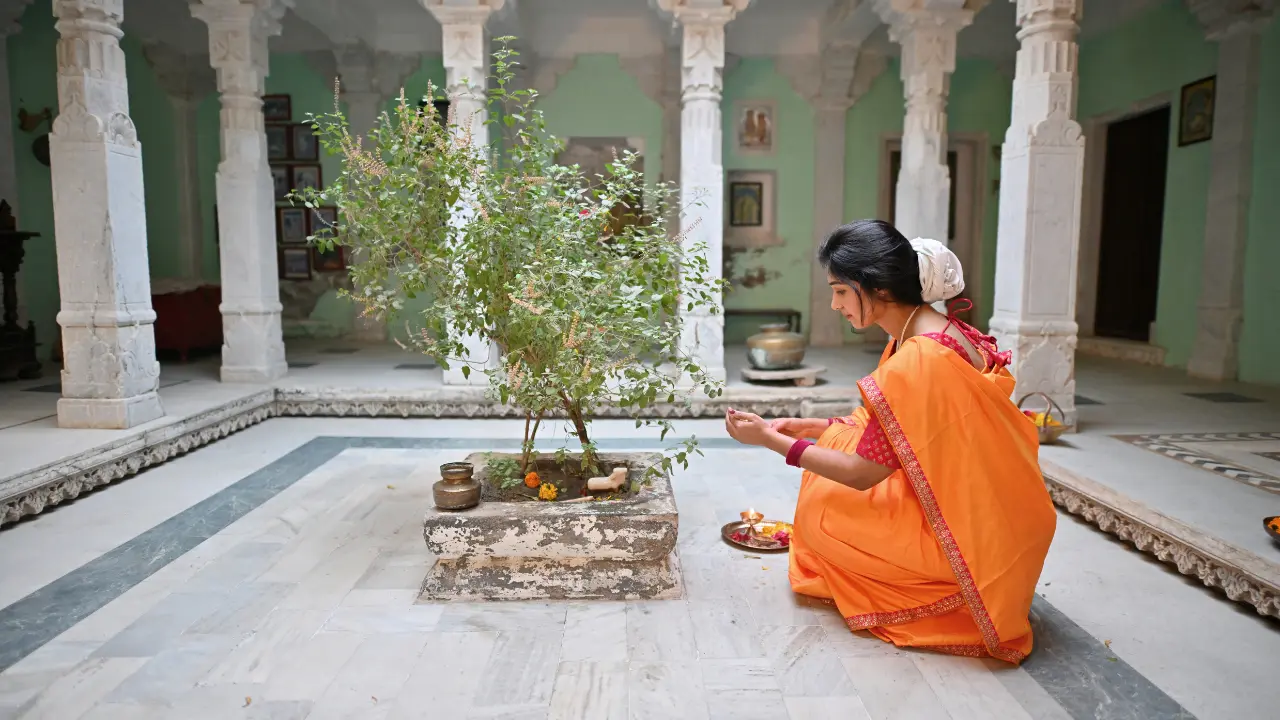
The most sacred plant in Indian culture is the Tulsi plant, also known as Holy Basil.
In Vastu Shastra, Tulsi is considered the queen of all Vastu plants. And there’s a reason why almost every Indian household has one.
Tulsi is believed to be a manifestation of Goddess Lakshmi herself, the goddess of wealth and prosperity. It is said that homes where Tulsi is kept and worshipped never lack anything.
From a scientific standpoint, Tulsi releases oxygen 20 out of 24 hours in a day, making it one of the best air purifiers nature has ever created. It also releases a unique fragrance that acts as a mosquito repellent and reduces airborne bacteria.
Best Direction: North, North-East, or East of your home. These directions are associated with positive energy and sunlight.
Ideal Spot: An open courtyard (aangan), balcony, or near the main entrance where it receives direct sunlight.
Never place Tulsi in the South direction, or in the bedroom, or in the bathroom area, this is considered inauspicious.
2. Money Plant: Symbol of Wealth and Prosperity
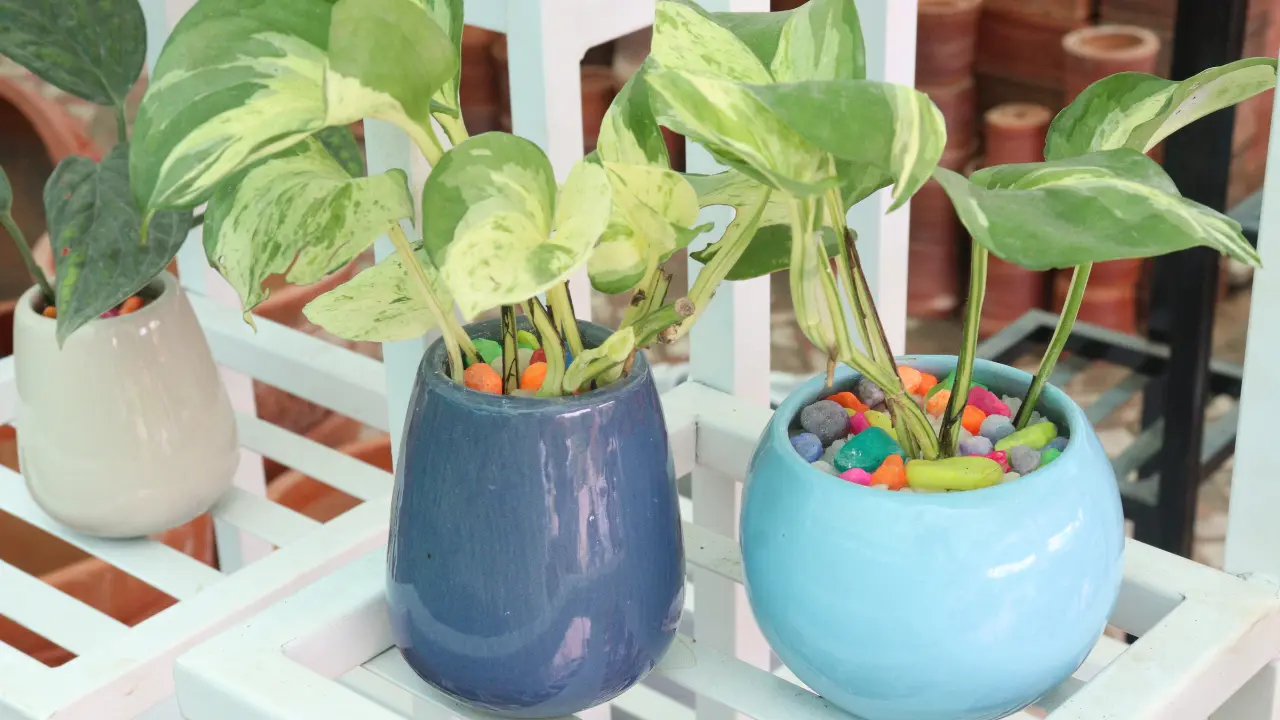
Coming in at number two is everyone’s favorite – the Money Plant, also known as Pothos or Epipremnum aureum.
And yes, the name says it all! In Vastu, the Money Plant is directly associated with financial prosperity, good luck, and abundance. It’s one of the most popular Vastu plants because it’s easy to grow, beautiful to look at, and incredibly powerful energetically.
The round, heart-shaped leaves of the money plant are believed to attract positive chi (life energy). According to Vastu, it continuously brings wealth, happiness, and good fortune into the home.
NASA has even listed money plants among the top air-purifying plants, removing toxins like formaldehyde, benzene, and carbon monoxide from indoor air.
Best Direction: South-East is considered the best direction. It’s the direction of Venus (Shukra), the planet of wealth and luxury.
Second best: North direction also works. North is ruled by Kuber, the god of wealth!
Never place it in the North-East direction (this can create financial problems), or outside the home where it can grow wild.
Money plant grows best indoors and thrives in indirect light.
Never let the money plant’s vines touch the floor or ground. This is said to symbolize financial decline. Train it to grow upward on a wall or frame symbolizing rising wealth!
Never take a money plant from someone who is struggling financially. Only accept it from a thriving, prosperous household.
The money plant is truly one of the easiest ways to invite financial energy into your home. Have yours climbing high!”
Also Read: Main Gate vs Main Door in Vastu: What’s The Real Difference
3. Bamboo Plant: Bringing Balance and Good Fortune
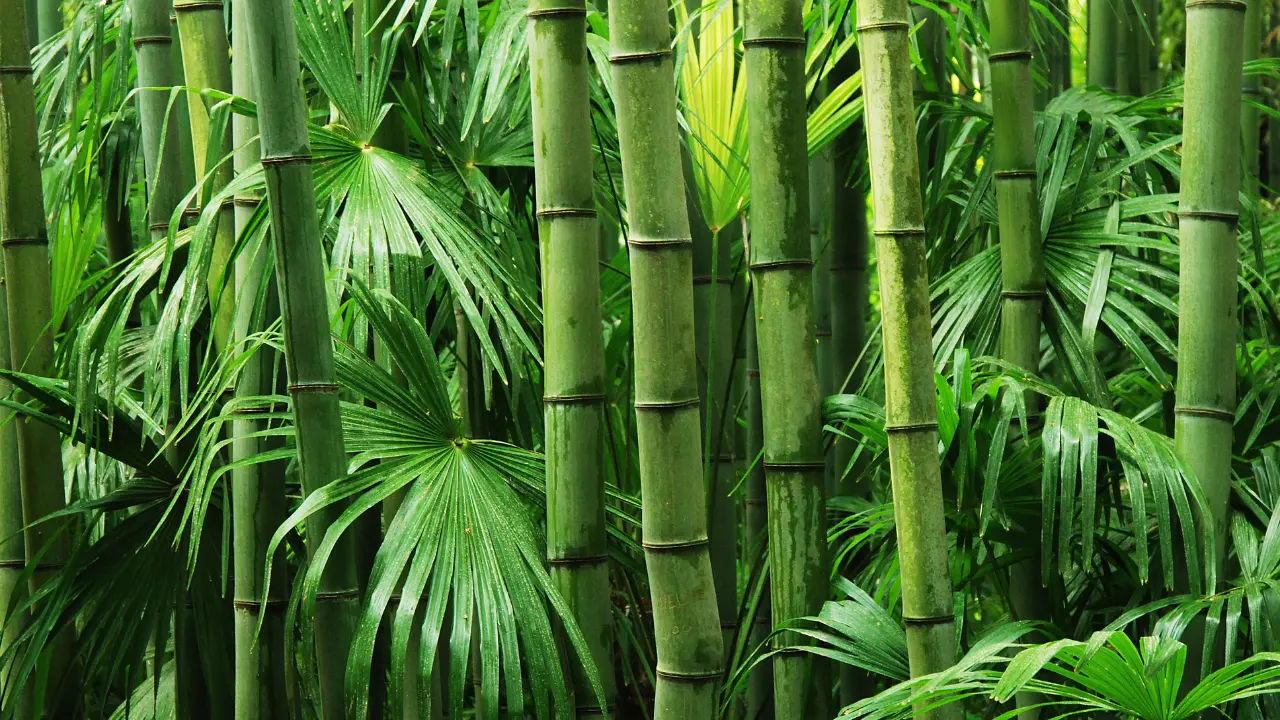
Lucky Bamboo has been a cornerstone of both Feng Shui and Vastu Shastra for thousands of years. It represents the five elements: the plant itself is Wood, the glass container is Earth, water represents Water, the red ribbon tied around it represents Fire, and the surrounding metal coins represent Metal.
So in one beautiful arrangement, you’re balancing all five elements, making it one of the most harmonizing plants you can keep.
The Magic of the Number of Stalks: This is where it gets really interesting! The number of bamboo stalks you keep has specific meanings:
🎋 2 stalks — Love and marriage
🎋 3 stalks — Happiness, long life, and wealth (most popular!)
🎋 5 stalks — Health and overall well-being
🎋 7 stalks — Good health and prosperity
🎋 8 stalks — Growth and abundance
🎋 9 stalks — Great fortune and luck
🎋 21 stalks — Powerful blessings in all areas of life
Never keep 4 stalks, the number 4 is associated with death in several Asian cultures and is considered very inauspicious.
Best Direction: East or South-East corner of your living room or office desk.
Keep it in water or soil: Lucky bamboo grows beautifully in a glass vase with water and pebbles. Change the water every 7–10 days to keep the energy fresh.
Avoid direct sunlight: It prefers indirect light, a bright corner, not a sun-facing window.
Use a red ribbon: Tying a red ribbon around the bamboo enhances its positive energy. Red is the color of luck and protection.
Lucky Bamboo is the perfect gift for a new home, a new business, or a wedding, it carries blessings wherever it goes.
4. Aloe Vera: Natural Protection and Wellness
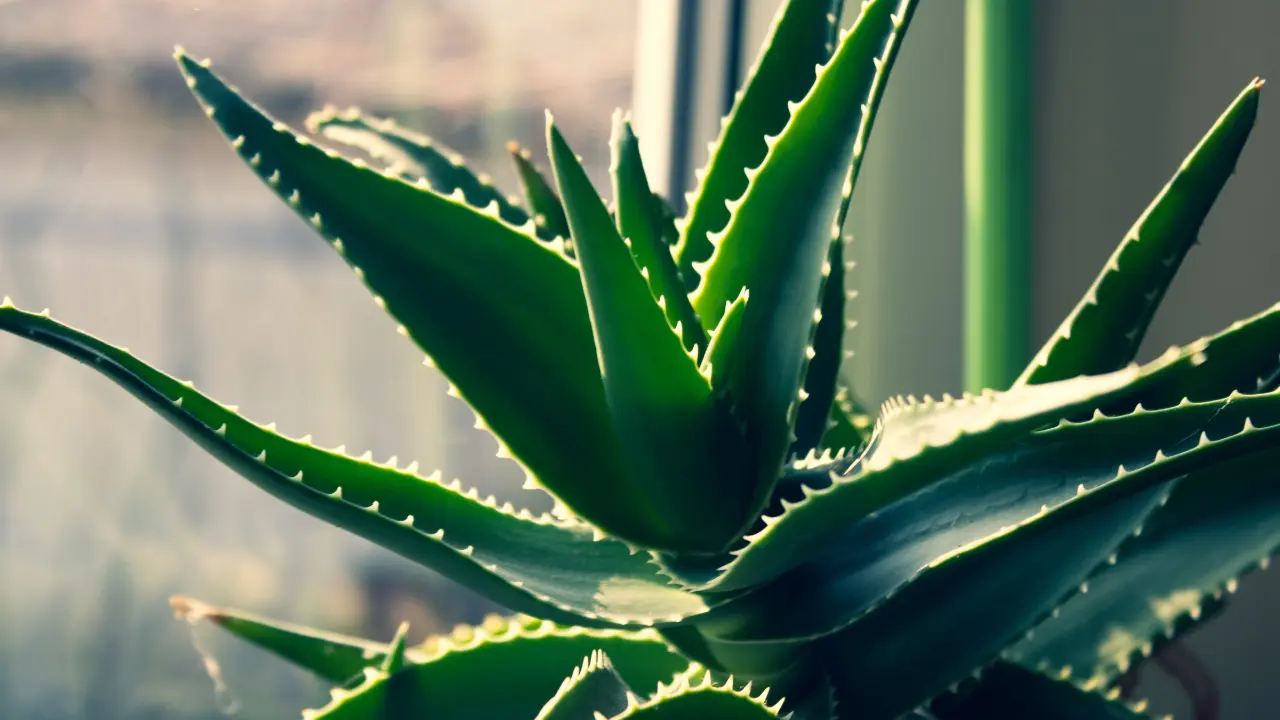
This is one of the plant that almost everyone already has at home, but may not realize its Vastu significance.
We all know Aloe Vera for its incredible beauty and health benefits from soothing sunburns to healing skin and hair. But in Vastu Shastra, Aloe Vera is much more than a first-aid plant.
According to Vastu, Aloe Vera:
🌱 Absorbs negative energy from the environment and replaces it with positivity
🌱 Brings good luck and protects the home from evil eye (nazar)
🌱 Promotes health and healing for all family members
🌱 Is believed to thrive when the household is happy and flourishing and to wilt when negativity is present (a natural energy indicator!)
Best Direction: North or East-facing rooms and windows where it gets bright, indirect sunlight
Living room or kitchen: Both are great spots, kitchen because of its connection to health and nourishment
Avoid dark corners: Aloe Vera needs light. Keeping it in a dark room will weaken both the plant and its Vastu benefits
Bedroom placement: Some experts say Aloe Vera is fine in the bedroom because it releases oxygen at night great for sleep quality!
If your Aloe Vera plant suddenly starts yellowing or dying despite proper care, it could be a Vastu signal that negative energy is concentrated in that area. Consider doing a space cleansing ritual and shifting the plant to a new location.
Aloe Vera truly is a silent guardian of your home’s energy, beautiful, useful, and deeply protective.
Also Read: West Facing House Vastu: Guide, Tips & Remedies
5. Peace Lily: Creating Harmony at Home
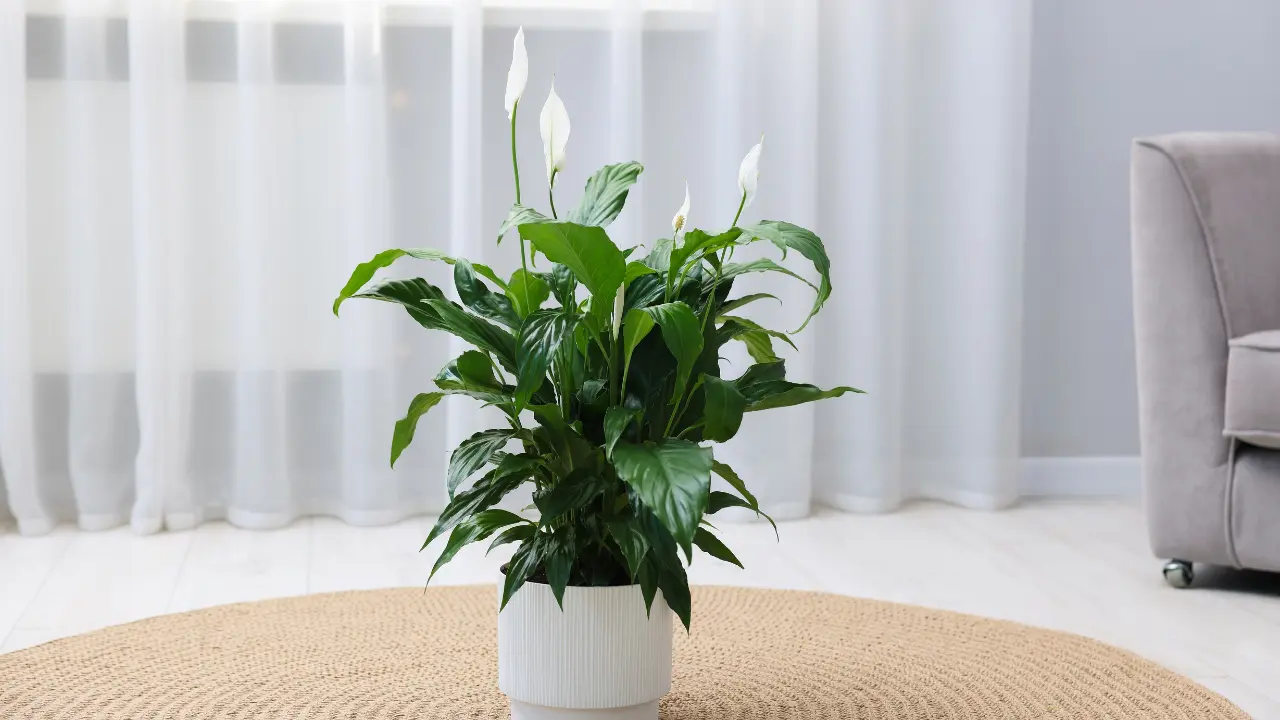
The Peace Lily is perhaps the most spiritually powerful plant on this list. Its very name tells you what it does, it brings peace.
In Vastu Shastra, the Peace Lily is associated with:
☮️ Harmony and tranquility in relationships
☮️ Mental peace and emotional balance
☮️ Removal of stress, anxiety, and tension from the home
☮️ Purification of energy, particularly in spaces that have experienced conflict or grief
Best Rooms: Bedroom, living room, home office anywhere you spend significant time and need calm, focused energy
Best Direction: North-East corner is the most spiritually sensitive corner of the home, and Peace Lily helps keep its energy pure and calm
Bedroom: Highly recommended! Unlike many plants, the Peace Lily is considered safe for bedrooms in Vastu because it promotes restful sleep and emotional healing
Avoid direct sunlight: Peace Lily thrives in low to medium indirect light perfect for indoor spaces
If there is conflict, stress, or communication breakdown between family members. Place a Peace Lily in the common living area. Many Vastu practitioners believe it gently smooths out tensions and opens up emotional flow between people.
And from a scientific angle NASA’s Clean Air Study found that Peace Lily removes some of the most common household toxins, including ammonia, benzene, and trichloroethylene.
Plants to Avoid According to Vastu
These plants you should avoid keeping inside your home, according to Vastu.
- Cactus and thorny plants
- Bonsai plants
- Tamarind, Mehendi (Henna), and Babool (Acacia) trees
- Artificial or dried plants
- Milk-producing plants (like rubber plants in excess)
Remember in Vastu, it’s not just about which plant you keep, but also about keeping it healthy and alive. A dying plant inside the home creates more negative energy than no plant at all.