Vastu Tips for Diwali: Main Door, Diya Placement, Lakshmi Puja & More
Discover Vastu tips for Diwali covering home cleaning, main entrance decoration, diya placement, Lakshmi Puja directions, auspicious colours and practical ways to prepare your home for the festival.

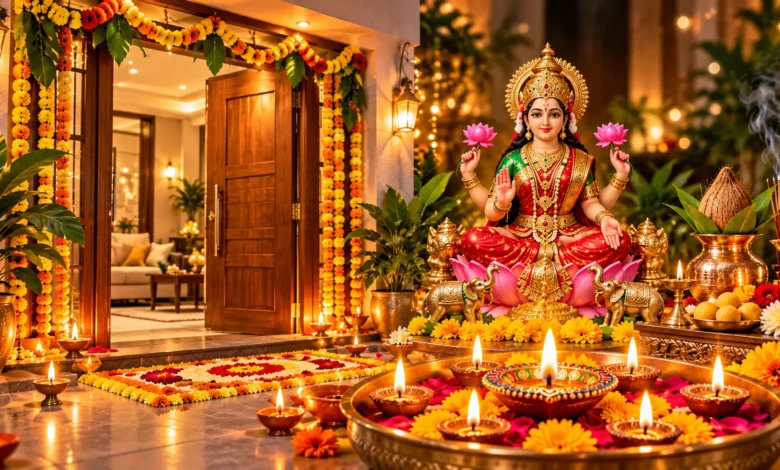
Diwali is a festival of lights, prosperity and new beginnings. According to Vastu Shastra, cleaning the home, decorating the entrance, placing diyas in appropriate locations and arranging the puja area thoughtfully are traditional ways to welcome Goddess Lakshmi and create an auspicious atmosphere.
If you are preparing your home for Diwali, these Vastu tips for Diwali will help you organise your entrance, choose suitable diya placements, prepare the Lakshmi-Ganesh puja area and avoid common mistakes. These suggestions can be adapted to apartments, independent houses and rented homes without major structural changes.
1. Clean Your Home Before Diwali
Cleaning is one of the most important traditional preparations for Diwali. Vastu practices associate a clean, organised home with a welcoming and harmonious environment.
Before the festival:
-
Remove unnecessary items, old newspapers and unused packaging.
-
Clean the entrance, windows, balconies and frequently used rooms.
-
Organise cupboards and storage areas.
-
Remove broken or unusable objects that are taking up space.
-
Clean the puja area and arrange fresh flowers and पूजा essentials.
Pay particular attention to the main entrance and the northeast corner if your household follows traditional Vastu practices.
2. Keep the Main Entrance Clean and Well-Lit
According to Vastu Shastra, the main entrance is an important part of the home because it symbolically represents the entry of opportunities and prosperity.
For Diwali, keep the entrance clean, uncluttered and welcoming.
-
Decorate the door with a fresh marigold or mango-leaf toran.
-
Create a rangoli using colours or flower petals.
-
Keep the nameplate and door clean.
-
Ensure the entrance light is working.
-
Remove unnecessary footwear, cartons and other obstructions.
You do not need an elaborate decoration setup. A clean doorway, a simple rangoli and a few diyas can create a festive atmosphere.
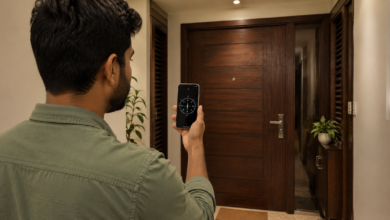
Also Read: How to Check Vastu for Home Entrance
3. Place Diyas at Appropriate Locations
Lighting diyas is central to Diwali celebrations. In traditional Vastu practices, lamps are commonly placed near the main entrance, in the puja area and in suitable parts of the home.
Consider these locations:
-
Main entrance: Place diyas near the doorway to welcome guests.
-
Puja area: Light a diya as part of your family’s worship ritual.
-
Balcony or windowsill: Use stable, safe locations for decorative lamps.
-
Living room: Add warm lighting to make the space inviting.
-
Tulsi area: Light a diya if it is part of your family’s tradition and the location is safe.
There is no single universally followed diya-placement rule across all Vastu traditions. Keep lamps on stable, heat-resistant surfaces and away from curtains, paper, children and pets. Never leave an open flame unattended.
4. Choose a Suitable Direction for Lakshmi-Ganesh Puja
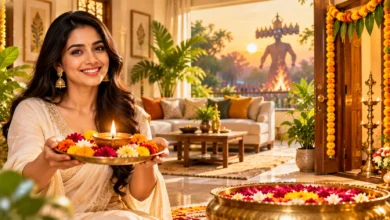
Lakshmi Puja is one of the most important rituals of Diwali. According to commonly followed Vastu guidance, the northeast or north area is often preferred for the puja space, provided the home’s layout allows it.
For the puja arrangement:
-
Place the Lakshmi and Ganesha idols on a clean, raised platform.
-
Use a fresh cloth and arrange flowers, fruits and other offerings neatly.
-
Keep the surrounding area clean and free from unnecessary objects.
-
Arrange the idols according to your family’s established religious tradition.
-
Choose a comfortable position for performing the puja.
Some traditions recommend placing the idols so that worshippers face east or north. Recommendations can vary, so follow your family’s customary puja practice rather than making major changes to your home solely to achieve a particular direction.
5. Decorate the Home with a Rangoli
Rangoli is a traditional way to decorate the home during Diwali. In many households, it symbolises auspiciousness, celebration and hospitality.
You can create a rangoli near the main entrance or in a suitable area of the living room.
Popular designs include:
-
Floral rangoli with marigold petals
-
Geometric patterns in traditional colours
-
Lotus-inspired designs
-
Diya-shaped patterns
-
Simple designs made with rice flour or coloured powders
If you live in an apartment, make sure the rangoli does not obstruct a shared corridor or create a slipping hazard.
6. Use Traditional Colours for Diwali Decorations
Colours play an important role in festive home decoration. In traditional Indian celebrations, red, yellow, orange, green and gold are frequently associated with auspiciousness, celebration and prosperity.
You can incorporate these colours through:
-
Cushion covers and table runners
-
Flowers and torans
-
Rangoli designs
-
Decorative diyas and lanterns
-
Puja cloth and festive accessories
-
Warm-coloured decorative lights
You do not need to repaint your walls for Diwali. Small decorative changes can make your existing interiors feel festive without unnecessary expense.
7. Keep the North and Northeast Areas Organised
In many Vastu traditions, the north is associated with Kubera, while the northeast is considered a spiritually significant zone.
If you follow these principles, use Diwali cleaning as an opportunity to organise these areas.
-
Remove unused boxes and unnecessary storage.
-
Keep the space clean and reasonably open.
-
Avoid allowing rubbish or discarded decorations to accumulate.
-
Maintain an orderly puja space if it is located in this area.
-
Ensure that furniture does not obstruct normal movement.
These are traditional spatial recommendations, not scientifically established methods of attracting wealth. Their practical benefit is that an organised home can feel more comfortable and easier to maintain.
8. Keep the Puja Area Free from Clutter
A clean puja area helps make religious rituals more organised and peaceful.
Before Diwali, remove dried flowers, replace dirty cloths and clean the surfaces around the mandir.
Keep essential items such as the puja thali, incense holder, flowers, sweets and water arranged neatly. Avoid crowding the platform with decorative objects that leave little room for the actual worship ritual.
If you do not have a separate puja room, a clean shelf or compact mandir can serve the same practical purpose.
9. Place Plants Carefully Around the Home
Plants can add freshness to your festive decorations. Tulsi is particularly significant in many Hindu households, while healthy ornamental plants can brighten balconies and entrances.
If you incorporate plants into your Diwali preparations:
-
Keep plants healthy and remove dead leaves.
-
Use clean pots that suit the surrounding space.
-
Avoid blocking entrances and walking paths.
-
Place plants where they receive appropriate light.
-
Follow your family’s customs regarding the Tulsi plant and its worship.
Some Vastu traditions associate the northeast or east with suitable plant placements, but the best location for a plant also depends on its sunlight and watering requirements.
10. Light Up Dark Corners of Your Home
Diwali celebrates the triumph of light over darkness. A well-lit home also creates a welcoming atmosphere for family members and guests.
Check areas that may be overlooked during decoration, including hallways, balconies, entryways and corners of the living room.
Use warm LED lights or decorative lamps where open flames are unsuitable. Ensure that electrical connections are safe and avoid overloading sockets with multiple decorative light strings.
11. Organise Your Locker and Important Documents
Some Vastu traditions associate the north direction with wealth and Kubera. Around Diwali, many families also clean their lockers, organise financial documents and prepare new account books as part of their customary rituals.
You can use the occasion to:
-
Organise bank and property documents.
-
Remove unnecessary paperwork.
-
Keep valuables in a secure location.
-
Check that your locker or cupboard works properly.
-
Arrange business account books and financial records neatly if this is part of your tradition.
Keeping valuables secure and documents organised is a practical benefit. A particular direction or ritual, however, cannot guarantee financial prosperity.
12. Avoid Broken and Unusable Decorative Items
Before decorating your home, inspect the items you plan to use.
Discard or repair broken lamps, damaged electrical lights, cracked decorative pieces and unstable stands. Remove dried flowers and decorations that no longer look presentable.
Traditional Vastu advice often recommends clearing broken or unusable objects before Diwali. Practically, this also helps reduce clutter and makes the home safer during a busy festival.
Do not throw away usable items unnecessarily. Donate them where appropriate, and dispose of damaged electrical products responsibly.
13. Keep the Kitchen Clean and Organised
The kitchen is a central part of Diwali because families prepare sweets, snacks and festive meals.
Before the celebrations:
-
Clean the cooking surfaces and storage areas.
-
Organise ingredients and utensils.
-
Dispose of expired food.
-
Keep the stove and surrounding area free from grease.
-
Store sweets and snacks in clean, covered containers.
-
Keep open flames away from curtains and other combustible materials.
Traditional Vastu associates the kitchen with the fire element, but practical cleanliness and fire safety should always take priority.
14. Create a Peaceful and Welcoming Environment
Diwali is not only about decorating the home. It is also an opportunity to spend time with family, welcome guests and share with others.
You can create a pleasant atmosphere by keeping music at a comfortable volume, arranging seating for guests and avoiding unnecessary last-minute clutter.
Many families consider kindness, gratitude, charity and harmonious relationships an important part of the festival. These values can be incorporated into your celebrations alongside traditional Vastu practices.
15. Follow Essential Diwali Vastu Do’s and Don’ts
| Do | Don’t |
|---|---|
| Clean and organise the home | Leave rubbish and unused items scattered |
| Keep the entrance bright and welcoming | Block the doorway with unnecessary objects |
| Arrange the puja area neatly | Crowd the altar with unrelated items |
| Use safe decorative lighting | Overload electrical sockets |
| Place diyas on stable surfaces | Leave flames unattended |
| Keep plants healthy | Leave dead leaves and damaged pots unattended |
| Organise financial documents | Leave valuables unsecured |
| Decorate according to family traditions | Make expensive changes out of fear of Vastu doshas |
These suggestions combine commonly followed Vastu traditions with practical home-maintenance and safety measures.
Diwali 2026: Festival Dates and Days
| Date | Day | Festival |
|---|---|---|
| 29 October 2026 | Thursday | Karwa Chauth |
| 1 November 2026 | Sunday | Ahoi Ashtami |
| 6 November 2026 | Friday | Dhanteras |
| 7 November 2026 | Saturday | Kali Chaudas |
| 8 November 2026 | Sunday | Choti Diwali / Naraka Chaturdashi |
| 8 November 2026 | Sunday | Diwali / Lakshmi Puja |
| 10 November 2026 | Tuesday | Govardhan Puja / Annakut |
| 11 November 2026 | Wednesday | Bhai Dooj |