Vastu Tips Before Buying a Flat: Complete Homebuyer Guide 2026
From flat direction and main entrance to kitchen, bedrooms, and ventilation, these Vastu tips before buying a flat help homebuyers avoid long-term issues and choose a balanced, peaceful home.

-
Check flat direction and entrance placement before finalising
-
Kitchen, bedroom, and toilet Vastu impact health and stability
-
Early Vastu checks prevent costly corrections after possession
Buying a flat is among the most significant financial and emotional decisions a homebuyer makes. While location, pricing, builder credibility, and amenities usually take priority, Vastu tips before buying a flat are increasingly becoming an important checkpoint for buyers seeking long-term comfort, stability, and peace of mind.
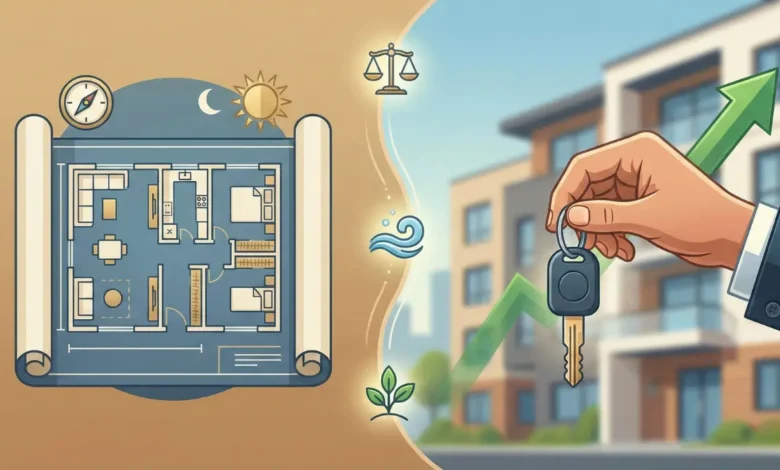
Experts say the biggest mistake buyers make is reviewing Vastu compliance only after possession. At that stage, structural corrections are limited and expensive. Evaluating Vastu at the time of selection allows buyers to avoid major defects while still maintaining practical living standards.
Why Vastu Matters at the Buying Stage?
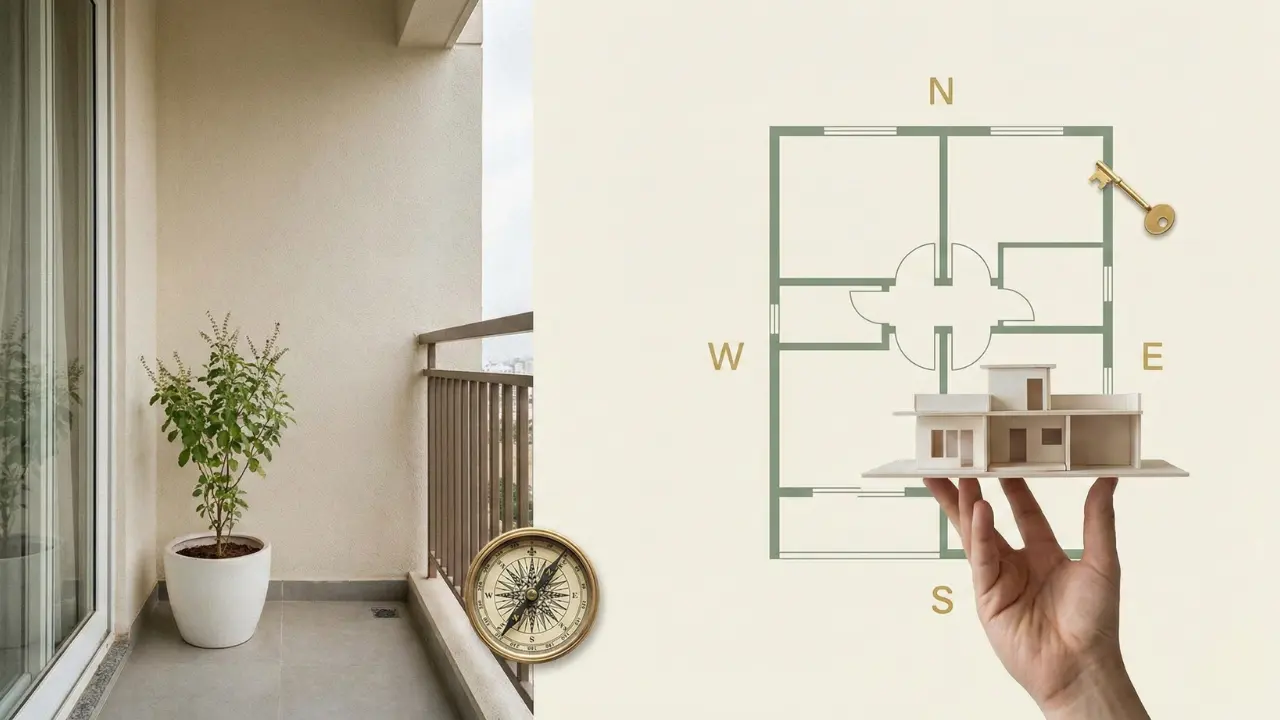
Vastu Shastra is an ancient Indian architectural system focused on balancing five natural elements—earth, water, fire, air, and space. A well-aligned flat is believed to support smoother energy flow, which many homeowners associate with better health, stable finances, mental calm, and harmonious relationships.
While the effects of poor Vastu may not be immediately visible, homeowners often report disturbed sleep, stress, or repeated obstacles over time. This is why Vastu checks are now seen as a preventive step rather than a corrective one.
Flat Direction: The Starting Point
The direction a flat faces plays a foundational role in Vastu evaluation.
-
North-facing flats are commonly associated with career growth and financial opportunities
-
East-facing flats are linked to good health, positivity, and social recognition
-
North-East-facing flats are considered highly auspicious and spiritually uplifting
South-facing flats are often misunderstood. Vastu experts clarify that they can perform well if the internal layout, entrance placement, and room zoning are properly planned. Direction should never be judged in isolation.
Main Entrance: Where Energy Enters
The main door is regarded as the gateway of energy into the home.
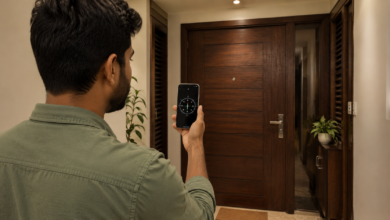
Preferred entrance zones include North, East, and North-East. The door should ideally open inward, be well-lit, and remain clutter-free. Buyers should also check whether the entrance directly faces a lift, staircase, or toilet door—placements that are considered unfavorable.
A poorly planned entrance can subtly affect opportunities, confidence, and household harmony.
Also Read: Vastu Tips for Rented House: Easy Vastu Remedies for Every Corner
Living Room Planning and Placement
The living room reflects both social interaction and mental well-being.
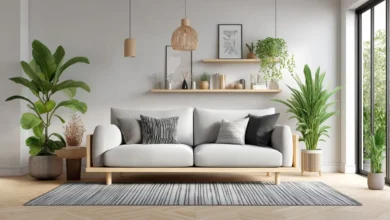
Vastu-friendly living rooms are ideally located in the North, East, or North-East. Heavy furniture should remain in the South or West zones, while seating arrangements should allow occupants to face North or East. Exposed beams above seating areas are best avoided, as they may create pressure and discomfort.
Kitchen Vastu: Health Takes Centre Stage
The kitchen represents the fire element and has a direct link to health and vitality.
The South-East (Agni corner) is considered the best placement, with North-West as an acceptable alternative. Kitchens placed in the North-East or South-West may create imbalances. Buyers should also check that the stove and sink are not placed side by side and that the person cooking faces East.
Kitchen Vastu errors are among the most common—and most impactful—issues in apartments.
Bedroom Vastu and Sleep Quality
For the master bedroom, the South-West direction is preferred, offering stability and better rest. The bed head should ideally face South or East, and mirrors should not directly reflect the bed.
Children’s bedrooms perform well in West or North-West directions, supporting focus and discipline, while guest bedrooms are best placed in the North-West. Incorrect bedroom placement often leads to poor sleep patterns and increased stress.
Also Read: Vastu for Bedroom: Best Direction, Colors & Layout Tips for Positive Energy
Toilets and Bathrooms: Small Spaces, Big Impact
Bathrooms are frequently overlooked during inspections but hold high Vastu importance.
North-West or West zones are considered suitable. Toilets placed in the North-East or South-West can negatively affect health and finances over time. Buyers should also avoid flats where toilets share walls with kitchens or where toilet doors directly face beds or cooking areas.
Proper ventilation is essential and should never be compromised.
Balconies, Windows, and Natural Light
Good airflow and sunlight naturally improve a home’s energy.
Balconies facing North, East, or North-East are considered ideal. Larger windows in these directions enhance positivity. Fully enclosed balconies or heavy storage blocking sunlight should be avoided, as they restrict energy movement.
Flat Shape and Floor Level
Square or rectangular flats are considered most balanced. Irregular layouts, sharp cut corners, or triangular shapes can create uneven energy distribution. Extensions toward the North or East are favourable, while cuts in the North-East or South-West should raise caution.
From a floor-level perspective, middle floors are generally viewed as balanced, offering both light and connectivity. However, practical comfort should always guide the final decision.
Pooja Space Placement
If the flat includes a pooja area, the North-East corner is considered ideal. Even a small, uncluttered spiritual corner placed correctly can enhance calmness and emotional balance.
Common Vastu Issues to Check Before Booking
Homebuyers should carefully inspect for:
-
Main door aligned with toilet doors
-
Beds placed under exposed beams
-
Kitchen and toilet sharing walls
-
Mirrors facing beds or entrances
-
Poorly ventilated bathrooms
These issues are difficult to correct after possession and should be addressed at the selection stage.
Balancing Vastu with Practical Living
Not every apartment can be perfectly Vastu-compliant. The goal is not perfection but balance. Buyers are advised to avoid major defects, prioritise key zones, and use remedies only where structural changes are not possible.
A home with good daylight, ventilation, and functional planning often supports positive energy naturally.
Final Takeaway
Vastu tips before buying a flat should act as a smart filter—not a source of fear. When applied thoughtfully, Vastu helps buyers choose homes that feel peaceful, functional, and future-ready.
Evaluating direction, entrance, layout, and ventilation before booking ensures that a flat is not just a property investment, but a comfortable space where life can truly thrive.