
MCG Sets October 25 Deadline to Remove 31 Ready-Mix Concrete Plants in Gurugram
Gurugram’s municipal corporation has ordered the removal of 31 ready-mix concrete plants by October 25 as part of wider efforts to control dust pollution, prevent waste burning and improve air quality.

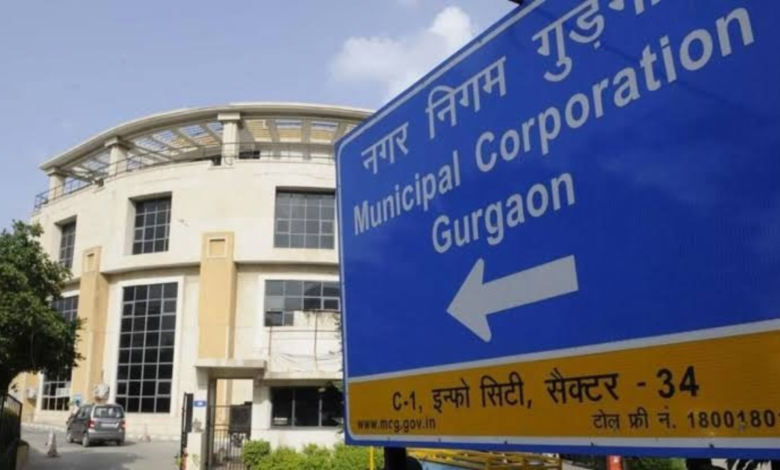
- MCG has directed the removal of all 31 RMC plants operating within its municipal limits by October 25.
- Officials have been instructed to strengthen pollution-control measures at construction sites and prevent biomass burning.
- Road cleaning, dust suppression and timely horticultural waste collection are also part of the civic body’s action plan.
The Municipal Corporation of Gurugram (MCG) has set October 25 as the deadline to remove all 31 ready-mix concrete (RMC) plants operating within its jurisdiction. The decision is part of the civic body’s efforts to tackle air pollution in Gurugram, where construction-related dust and other pollution sources require stricter monitoring.
MCG Commissioner Pradeep Dahiya issued directions to the concerned joint commissioners during a review of pollution-control measures. Officials have been instructed to ensure that no RMC plants remain within the municipal limits after the deadline. The process of issuing notices to the affected facilities and completing the required formalities has also begun, according to officials.
During the review meeting, Dahiya stressed that pollution-control directions must translate into action on the ground rather than remain limited to official records. He instructed officers to monitor compliance in their respective areas and complete the removal process within the prescribed timeframe.
The commissioner also highlighted several measures being pursued to improve air quality, including action against RMC plants, preventing biomass burning, controlling dust at construction sites, deep-cleaning roads and ensuring timely waste collection.
Ready-mix concrete plants produce concrete by combining cement, sand, aggregates, water and other materials in controlled proportions. The finished mixture is transported to construction sites for use in building and infrastructure projects.
As part of its wider pollution-control drive, MCG is also focusing on dust generated by construction activity. Officials have been directed to ensure regular water sprinkling at construction sites and take steps to prevent dust from spreading to nearby roads and residential areas.
The civic body has also asked field teams to intensify surveillance to prevent the burning of horticultural waste. Timely collection and removal of garden waste are being treated as important measures to reduce avoidable pollution.
The proposed removal of the 31 RMC plants could affect concrete supply arrangements for construction projects operating within Gurugram. Developers and contractors using these facilities may need to review their sourcing and logistics plans to avoid disruptions, although the actual impact will depend on the availability of alternative suppliers and the implementation of the order.
For residents, the broader objective is to reduce pollution from construction-related activities and improve local environmental conditions. The effectiveness of the drive will depend on enforcement, compliance by plant operators and consistent monitoring by civic officials.
MCG officials are expected to continue issuing notices, completing the necessary formalities and monitoring the removal of the identified plants ahead of the October 25 deadline. At the same time, field teams will be responsible for strengthening dust-control measures, preventing biomass burning and ensuring regular waste collection and road cleaning.
The civic body’s next challenge will be to verify compliance after the deadline and maintain pollution-control measures beyond the immediate enforcement drive.
Also Read: YEIDA to Appoint Independent Agency for Quality Checks of Infrastructure Projects
Also Read: New Noida Project to Have Three Work Circles as Authority Speeds Up Land Acquisition