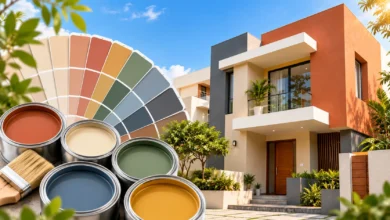
How to Protect Exterior Walls from Dampness and Moisture
Discover effective ways to protect exterior walls from dampness and moisture, including waterproof coatings, weather-resistant paint, crack repairs, proper drainage and preventive maintenance.

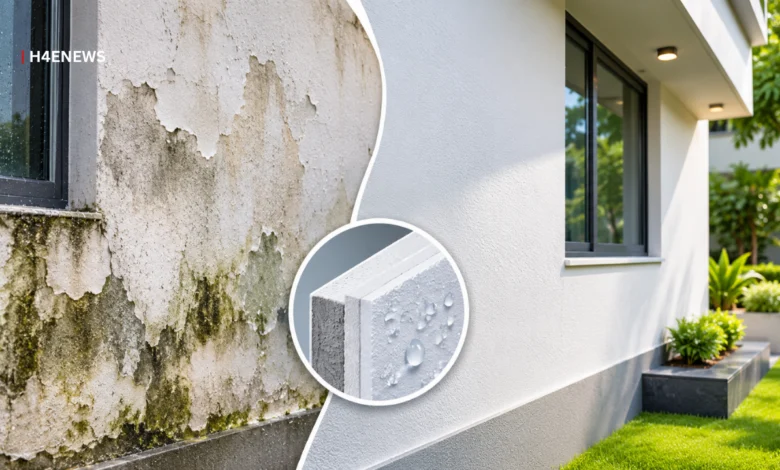
Exterior walls protect a home from rain, humidity, temperature changes and other environmental conditions. However, continuous exposure to moisture can gradually damage their protective layers, resulting in damp patches, peeling paint, cracks, algae growth and water seepage inside the house.
Dampness on exterior walls is not just an aesthetic problem. If left untreated, it can damage plaster, weaken paint adhesion and contribute to deterioration of building materials. In some cases, moisture can also travel through walls and affect interior surfaces.
Whether you are constructing a new house or maintaining an existing property, understanding how to protect exterior walls from dampness and moisture can help prevent expensive repairs and improve the durability of your home.
Here are the common causes of exterior wall dampness, effective waterproofing methods and practical maintenance tips to keep your walls protected.
What Causes Dampness and Moisture on Exterior Walls?
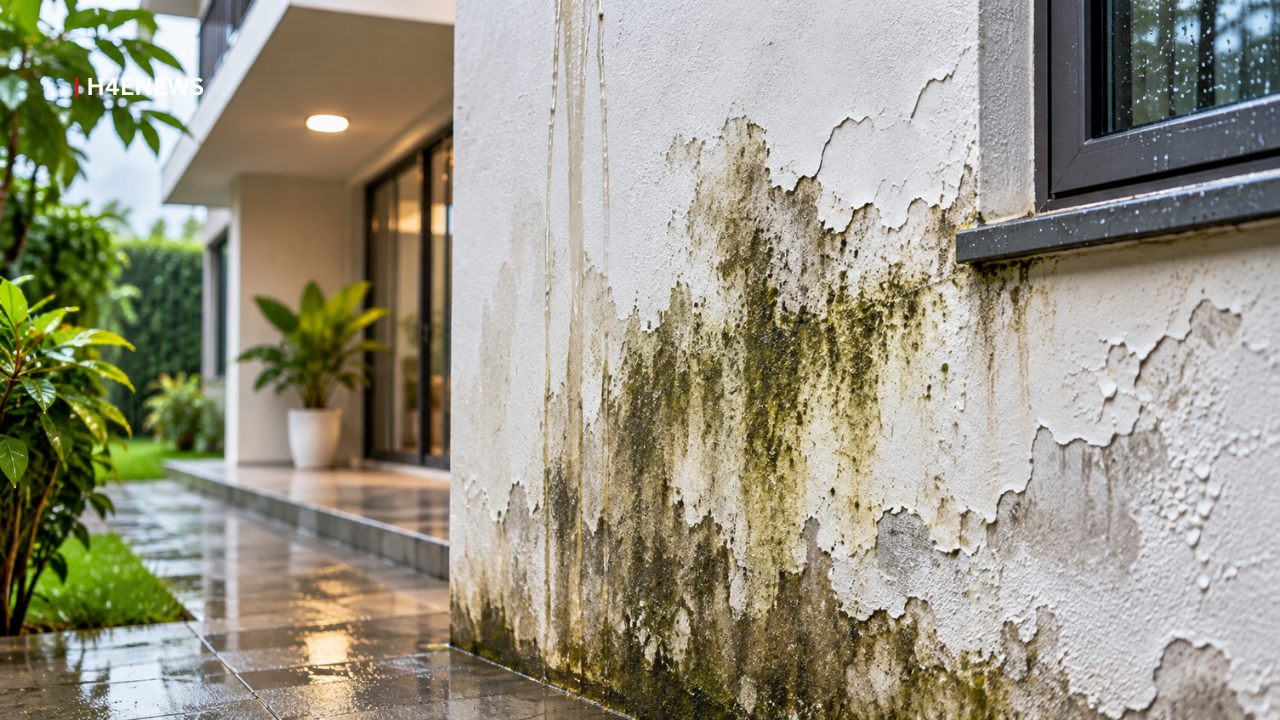
Here are some common causes of dampness on exterior walls.
1. Rainwater Seepage
Rainwater is one of the most common causes of exterior wall dampness, particularly during the monsoon season.
When rainwater repeatedly hits an unprotected wall, it can enter through porous masonry, damaged plaster, cracks and poorly sealed joints.
Walls exposed to heavy rainfall or strong winds may experience more moisture penetration, especially if their exterior coating is damaged.
2. Cracks in Exterior Walls
Small cracks in exterior walls can become entry points for rainwater.
These cracks may develop because of:
-
Building settlement
-
Temperature fluctuations
-
Shrinkage of plaster
-
Poor construction practices
-
Structural movement
-
Ageing building materials
Even hairline cracks should be inspected because water can enter through openings that may appear insignificant.
3. Poor Waterproofing
Inadequate or deteriorated waterproofing can allow moisture to penetrate exterior walls.
If the building was constructed without proper waterproofing treatment, or if the existing coating has deteriorated over time, the walls may become more vulnerable to rainwater absorption.
This is particularly important for buildings exposed to prolonged rainfall and moisture.
4. Faulty Roof Drainage and Rainwater Pipes
Damaged gutters, blocked drainage outlets and leaking downpipes can allow water to flow continuously over exterior walls.
Over time, repeated exposure can cause damp patches, paint deterioration and algae growth.
Inspect roof edges, balcony drainage outlets and rainwater pipes to ensure that water is being directed away from the building.
5. Rising Dampness from the Ground
Rising damp occurs when moisture travels upward through porous building materials from the ground.
It can happen when the damp-proof course (DPC) is missing, damaged or improperly installed.
Although rising damp is commonly associated with lower sections of walls, it can affect the building’s moisture condition and contribute to deterioration of plaster and paint.
6. High Humidity and Poor Ventilation
High humidity can contribute to moisture-related problems, particularly when exterior walls remain shaded or receive little sunlight.
Areas with limited air circulation may stay damp for longer after rainfall, encouraging algae and fungal growth.
However, condensation is generally an indoor moisture issue and should not automatically be mistaken for rainwater seepage through exterior walls.
10 Effective Ways to Protect Exterior Walls from Dampness and Moisture
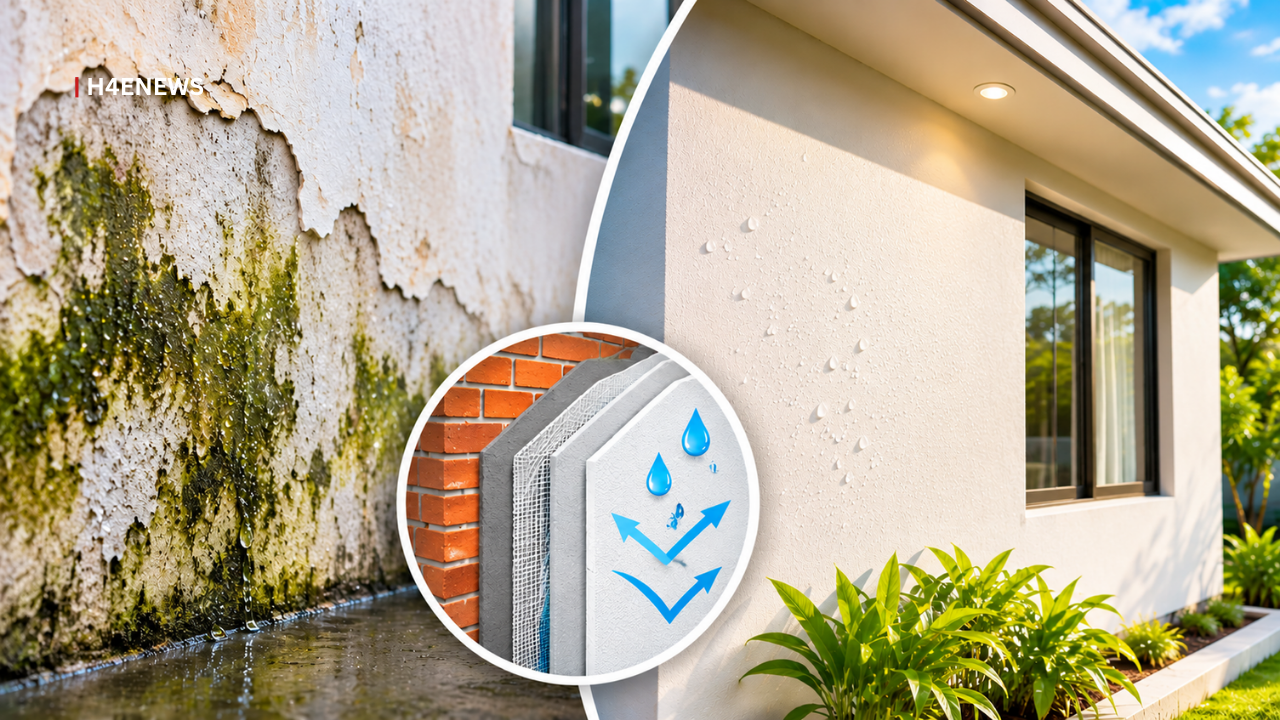
Protecting exterior walls requires a combination of suitable construction materials, waterproofing treatments, proper drainage and regular maintenance.
The following methods can help reduce moisture penetration and extend the life of exterior wall finishes.
1. Apply High-Quality Exterior Waterproof Paint
One of the most practical ways to protect exterior walls is by applying a suitable exterior-grade weather-resistant paint.
Unlike ordinary interior paints, exterior coatings are formulated to withstand sunlight, rain and changing weather conditions.
When selecting exterior paint, consider products offering:
-
Water resistance
-
UV resistance
-
Good adhesion
-
Breathability where required
-
Resistance to fungal and algae growth
-
Durability against weather exposure
Before painting, clean the wall, remove loose paint, repair cracks and apply the recommended primer.
Remember that waterproof exterior paint is not a substitute for structural waterproofing when water is entering through major cracks or faulty construction joints.
2. Use an Exterior Waterproofing Coating
For walls exposed to heavy rainfall or recurring moisture, a dedicated exterior waterproofing coating may provide additional protection.
These coatings create a protective layer that reduces water penetration through the treated surface.
Common options include:
-
Acrylic waterproof coatings
-
Elastomeric wall coatings
-
Cementitious waterproofing products
-
Polymer-modified protective coatings
-
Silane or siloxane-based water-repellent treatments
The correct treatment depends on the wall material, existing paint, exposure conditions and source of moisture.
For example, a breathable water-repellent treatment may be appropriate for some masonry surfaces, while a crack-bridging elastomeric coating may be more suitable for certain exterior plaster surfaces.
Always follow the manufacturer’s preparation and application instructions.
3. Repair Cracks Before They Become Bigger
Cracks should be repaired before applying waterproof paint or any protective coating.
Start by identifying whether the crack is superficial or structural.
For minor non-structural cracks, an appropriate exterior-grade crack filler or repair mortar may be sufficient.
For wider, recurring or diagonal cracks, consult a qualified civil engineer to determine whether structural movement is involved.
A typical repair process includes:
-
Remove loose plaster and paint around the damaged area.
-
Clean the crack to remove dust and debris.
-
Apply a compatible crack-filling material.
-
Allow the repair to cure as instructed.
-
Apply primer or waterproofing treatment where required.
-
Finish with a suitable exterior coating.
Simply covering a crack with paint will not prevent water from entering through it.
4. Install Proper Roof Gutters and Drainage Systems
A well-designed drainage system helps prevent rainwater from continuously flowing over exterior walls.
Gutters collect rainwater from the roof and direct it towards designated drainage outlets.
To maintain an effective system:
-
Clean gutters regularly.
-
Remove leaves and debris from drainage outlets.
-
Check downpipes for leakage.
-
Repair damaged gutter joints.
-
Ensure rainwater flows away from the building.
-
Inspect balcony and terrace drainage points.
This is particularly important before the monsoon season, when blocked drainage systems can lead to water accumulation and seepage.
5. Apply a Suitable Water-Repellent Treatment
Water-repellent treatments can help reduce the amount of rainwater absorbed by porous exterior masonry.
Silane and siloxane-based treatments are commonly used for certain brick, stone and concrete surfaces.
Unlike some waterproof coatings that form a continuous surface film, penetrating water repellents can reduce water absorption while allowing water vapour to escape, depending on the product.
They may be useful for:
-
Exposed brick walls
-
Natural stone surfaces
-
Certain concrete walls
-
Porous masonry finishes
Before application, ensure the surface is clean and suitable for the selected treatment.
These products are not designed to repair cracks, stop active leaks or replace a missing damp-proof course.
6. Maintain Proper Slope on Roofs, Balconies and Window Sills
Flat or incorrectly sloped surfaces can allow rainwater to accumulate near exterior walls.
Over time, standing water may enter through joints, cracks and poorly sealed connections.
To prevent this:
-
Ensure window sills have an outward slope.
-
Maintain proper terrace drainage slopes.
-
Avoid water accumulation on balconies.
-
Check roof-to-wall junctions.
-
Seal gaps around window and door frames using compatible materials.
Pay special attention to balconies and window openings because these areas are common locations for water infiltration.
7. Use Quality Exterior Wall Plaster
Exterior plaster provides a protective finishing layer over masonry and helps create a suitable surface for exterior coatings.
Poor plastering practices, incorrect material proportions and inadequate curing can contribute to cracks and surface deterioration.
For better durability:
-
Use suitable exterior-grade plaster materials.
-
Follow the recommended mix proportions.
-
Ensure proper surface preparation.
-
Avoid excessively thick plaster layers without appropriate detailing.
-
Cure cement-based plaster correctly.
-
Repair cracks before applying the final coating.
A durable plaster layer, combined with appropriate waterproofing, can help protect the underlying masonry from moisture exposure.
8. Install a Damp-Proof Course During Construction
A damp-proof course (DPC) is a protective barrier incorporated into building construction to reduce moisture movement from the ground into walls.
It is generally provided near the base of walls, depending on the building design and applicable construction standards.
Common DPC materials include:
-
Bituminous membranes
-
Polymer-based damp-proof membranes
-
Cementitious waterproofing systems
-
Other approved moisture-resistant materials
For new construction, proper DPC installation is an important preventive measure.
For an existing building experiencing rising damp, the appropriate treatment depends on the construction details and moisture source. Simply applying exterior paint will not solve a missing or damaged DPC.
9. Seal Window and Door Joints Properly
Gaps around windows and doors can allow rainwater to enter the wall assembly.
This is particularly common when old sealants deteriorate or when window-frame connections have not been properly waterproofed.
Inspect these areas for:
-
Cracked sealant
-
Gaps between frames and walls
-
Damaged window joints
-
Loose exterior fittings
-
Water stains below windows
Use a suitable exterior-grade weatherproof sealant compatible with the frame and surrounding construction materials.
For recurring leakage, inspect the window sill, flashing and adjoining waterproofing details rather than relying only on surface sealing.
10. Schedule Regular Exterior Wall Inspections
Even a properly waterproofed exterior wall requires regular inspection.
Weather exposure, building movement and ageing materials can gradually affect protective coatings and joints.
A basic maintenance routine should include:
-
Inspecting walls before and after the monsoon.
-
Checking for peeling paint and damp patches.
-
Looking for new cracks.
-
Cleaning algae and moss growth.
-
Checking gutters and downpipes.
-
Inspecting window and balcony joints.
-
Repainting or recoating when required by the product’s condition.
Early identification of moisture problems can prevent more extensive repairs.
Also Read: 10 Heat-Resistant Exterior Paint Colour Combinations for Indian Homes
Best Waterproofing Materials for Exterior Walls
Choosing the right waterproofing material is important because different products solve different moisture-related problems.
| Waterproofing Material | Common Application | Main Benefit |
|---|---|---|
| Acrylic waterproof coating | Exterior plastered walls | Reduces rainwater penetration |
| Elastomeric coating | Exterior walls with minor non-structural cracks | Flexible protective film |
| Cementitious waterproofing | Suitable masonry and concrete surfaces | Creates a waterproof barrier |
| Silane/siloxane treatment | Porous brick and stone | Reduces water absorption |
| Exterior crack filler | Minor wall cracks | Seals surface openings |
| Weatherproof sealant | Window and door joints | Prevents water entry through gaps |
| Damp-proof membrane | Building foundations and wall bases | Limits rising moisture |
The material should be selected according to the wall substrate, moisture source and manufacturer’s technical recommendations.
How to Identify Dampness on Exterior Walls?
Recognising the early signs of dampness can help prevent extensive wall damage.
Look for these common warning signs:
1. Peeling Paint: Exterior paint begins to bubble, crack or detach from the wall.
2. Damp Patches: Dark or discoloured areas appear on the wall surface, particularly after rainfall.
3. White Salt Deposits: Powdery white deposits known as efflorescence appear when moisture carries soluble salts to the surface.
4. Algae and Fungal Growth: Green or black patches develop in persistently damp and shaded areas.
5. Cracked or Damaged Plaster: The plaster may become loose, powdery or start separating from the masonry.
6. Interior Dampness: Moisture marks appear on the inside surface of an exterior wall, suggesting possible water penetration.
These signs indicate different potential problems. A professional inspection may be necessary to identify the exact moisture source before selecting a repair method.
Common Mistakes to Avoid When Waterproofing Exterior Walls
Even good waterproofing products may fail if the underlying problem is not addressed.
Avoid these common mistakes:
-
Applying waterproof paint over a dirty or damp surface without checking product requirements.
-
Ignoring cracks before painting.
-
Using interior paint on exterior walls.
-
Choosing a coating without checking compatibility with the wall material.
-
Blocking drainage outlets.
-
Ignoring leaking pipes and gutters.
-
Applying waterproofing over loose or damaged plaster.
-
Covering recurring damp patches without identifying their source.
-
Using non-breathable coatings on moisture-sensitive masonry without professional assessment.
-
Ignoring structural cracks.
Remember: Waterproofing should address the source of moisture, not just hide its visible signs.
Also Read: Vastu for Home: Guide to Directions, Rooms and Easy Fixes
When Should You Waterproof Exterior Walls?
The ideal time for exterior waterproofing depends on the product, local weather and wall condition.
In India, homeowners often schedule exterior wall inspections and waterproofing work before the monsoon season.
For effective application:
-
Choose a suitable dry-weather window.
-
Ensure the surface meets the product’s moisture requirements.
-
Avoid application during rain.
-
Check the recommended temperature and humidity conditions.
-
Allow adequate drying and curing time.
-
Follow the manufacturer’s instructions.
If water seepage is already occurring, identify and repair the source before applying a new protective coating.
Frequently Asked Questions
1. How can I protect exterior walls from rainwater?
Use suitable exterior waterproof coatings, repair cracks, seal window joints, maintain roof gutters and ensure proper drainage. The right treatment depends on the wall material and source of water penetration.
2. Which paint is best for exterior walls to prevent dampness?
Exterior-grade weather-resistant paints with suitable water-repellent properties can help protect walls from rain. For recurring seepage, identify and fix the underlying issue before repainting.
3. Does waterproof paint stop wall dampness?
Waterproof paint can reduce rainwater absorption through suitable wall surfaces. However, it may not stop moisture caused by rising damp, plumbing leaks, structural cracks or water entering through defective joints.
4. How do I stop rainwater from entering exterior walls?
Inspect cracks, repair damaged plaster, seal window and door joints, maintain gutters and apply a compatible waterproofing system. Proper drainage is equally important.
5. What is the difference between waterproof paint and waterproof coating?
Exterior waterproof paint generally provides a decorative protective finish with water resistance. Dedicated waterproof coatings are designed for specific moisture-protection requirements and may provide thicker or more flexible barriers, depending on their formulation.
6. Can I apply waterproofing directly over old exterior paint?
Not always. Loose, peeling or damaged paint should be removed, and the surface should be prepared according to the waterproofing product’s requirements. Compatibility between the old paint and new coating must also be checked.
7. How often should exterior walls be waterproofed?
There is no fixed interval for every building. It depends on the coating, exposure to weather, wall condition and maintenance. Inspect the surface regularly and follow the manufacturer’s recommended maintenance cycle.
8. What causes white patches on exterior walls?
White powdery deposits are often caused by efflorescence. It occurs when moisture carries soluble salts through masonry and deposits them on the surface as water evaporates.
9. Can exterior wall dampness affect interior walls?
Yes. Water can penetrate exterior masonry and plaster, eventually causing damp patches, peeling interior paint, damaged plaster and mould growth under suitable conditions.
10. Is waterproofing necessary for newly constructed houses?
Proper waterproofing and moisture-control measures are important during new construction. These include suitable DPC installation, roof and terrace waterproofing, drainage planning, joint sealing and appropriate exterior wall finishes.
Wrap Up
Protecting exterior walls from dampness and moisture requires more than applying a fresh coat of paint. Proper drainage, quality plaster, crack repairs, suitable waterproofing treatments and regular inspections all contribute to long-term wall protection.
For homeowners, the most important step is to identify the source of moisture before choosing a treatment. Whether the problem is rainwater seepage, damaged plaster, leaking pipes or rising damp, addressing the root cause can help prevent recurring damage and unnecessary repair expenses.
By using appropriate waterproofing materials and maintaining exterior surfaces regularly, you can improve your home’s resistance to moisture and extend the life of its walls.