Vastu for Home: Guide to Directions, Rooms and Easy Fixes
Vastu for home made easy: learn the right direction for every room, simple fixes for flats, and a handy checklist to use before you move into a new home.

You are buying a flat, building a house, or just moving furniture around, and someone says, “Check the Vastu first.” Where do you even begin?
This guide makes it easy. You will learn what Vastu for home means, which direction suits which room, and what to do if your home is already built and you cannot break a single wall.
Vastu is a traditional belief system. It is not proven by modern science, and it cannot promise that you will get rich or never fall sick. Think of it as a set of guidelines that many families find comforting. Use it along with good judgment, proper ventilation, safe wiring and a budget you can afford. Never stretch your finances only to fix a Vastu point.
Best Vastu Directions for Each Room
Short on time? Start with this table.
| Part of the Home | Good Direction | Better to Avoid |
|---|---|---|
| Main door | North, East, North-East | South-West |
| Living room | North, East, North-East | South-West |
| Kitchen | South-East (or North-West) | North-East |
| Master bedroom | South-West | North-East |
| Pooja room | North-East | Under a staircase, next to a toilet |
| Bathroom and toilet | North-West or West | North-East |
| Staircase | South, West or South-West | North-East, centre of the house |
| Centre of the home | Keep open and light | Heavy furniture, toilet, kitchen |
Now let understand the reasons behind these rules.
What is Vastu Shastra?
Vastu Shastra is an old Indian system of home planning. It gives rules on how to place rooms, doors and objects so that a home feels balanced, calm and comfortable.
The idea is simple. A home is built on land, gets sunlight and air, and uses water and fire every day. Vastu tries to arrange all this in a smart way. Many of its rules, like letting in morning light and keeping the home airy, are also plain common sense.
The Five Elements of Vastu
Vastu connects each part of a home with one of five natural elements:
- North-East: Water. Think of clean, light and peaceful spaces.
- South-East: Fire. This is why the kitchen is placed here.
- South-West: Earth. Good for heavy, stable things like a master bedroom or a cupboard.
- North-West: Air. Suits movement, such as guest rooms or garages.
- Centre: Space. It should stay open and free.
The Centre of the Home
The middle of your home is called the Brahmasthan. In Vastu, it is the heart of the house. Try to keep it clear. Avoid putting a toilet, a heavy storage unit or a kitchen there. In a flat, a simple open hall or walkway is enough.
Vastu is a traditional belief system. It is not proven by modern science, and it cannot promise that you will get rich or never fall sick. Think of it as a set of guidelines that many families find comforting. Use it along with good judgment, proper ventilation, safe wiring and a budget you can afford. Never stretch your finances only to fix a Vastu point.
Understanding the Eight Directions
A quick look at what each direction stands for:
- North: Linked with growth and opportunity. A good side for the entrance and living room.
- North-East: The most valued corner. Keep it clean, bright and light. It suits a pooja room or a quiet seating area.
- East: The side where the sun rises. Morning light here makes a home feel fresh. Good for windows and the main door.
- South-East: The fire corner. Best for the kitchen.
- South: Seen as a stable, strong direction. Heavy furniture can go here.
- South-West: The earth corner. Good for the master bedroom and the head of the family.
- West: Suits dining areas, study rooms and children’s rooms.
- North-West: The air corner. Suits guest bedrooms, store rooms and garages.
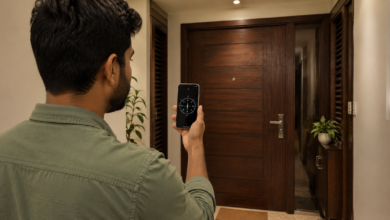
How to find directions in your home: Use a compass app on your phone. Stand in the middle of your home and check each room. Keep your phone away from metal objects, because they can give a wrong reading.
Room-by-Room Vastu Tips
Main Door and Entrance
The main door is the first thing everyone sees. In Vastu, it is treated as the “mouth” of the home.
- Place it in the north, east or north-east if you can.
- Make it the biggest door in the house, and make sure it opens fully and smoothly.
- Use strong materials like wood or metal.
- Keep the entrance bright, clean and clutter-free.
- Do not keep shoe racks, dustbins or broken items right at the door.
- Try not to have a toilet right next to the entrance.
- In a flat, avoid a main door that directly faces a lift, if you have a choice.
More About Main Door:
How to Check Vastu for Home Entrance?
Main Gate vs Main Door in Vastu: What’s The Real Difference
Living Room
This is where your family relaxes and guests sit.
- The north, east or north-east side is ideal.
- Put heavy sofas and cabinets on the south or west wall.
- Keep the north-east side light, with fewer items.
- Choose soft colours such as white, cream, light green or light blue.
- Keep the room well lit. A dark living room feels heavy.
Kitchen
The kitchen is linked with fire, so the south-east corner is the first choice.
- If the south-east is not possible, the north-west is the next best option.
- Try to face east while cooking.
- Place the gas stove in the south-east part of the kitchen. Keep the sink away from the stove, as water and fire do not mix in Vastu.
- Avoid building the kitchen in the north-east.
- Avoid a kitchen that directly faces the main door.
- Keep a window or exhaust fan for fresh air.
Check Out Our Kitchen Section.
Master Bedroom
The bedroom is all about rest, so it should feel calm and steady.
- The south-west is the preferred spot.
- Place the bed so that your head points south or east while sleeping.
- Keep the bed away from the door, and do not place it directly under a beam.
- Avoid a mirror that faces the bed.
- Choose gentle shades like beige, light pink or pale blue.
- Keep electronics like TVs and laptops away from the bed, or cover them at night.
Children’s Room and Guest Room
- A west or north-west room works well for children and guests.
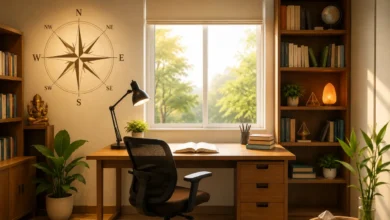
- Study tables are best placed so that the child faces east or north while studying.
- Keep books tidy and the room full of natural light.
Also Read: Vastu Tips for Study Room: Best Direction & Table Placement
Pooja Room
- The north-east is the first choice. East and north also work.
- Place idols so that you face east or north while praying.
- Keep the space clean and calm.
- Do not build it under a staircase, inside a bedroom, or on the other side of a toilet wall.
- In a small flat, a wall-mounted mandir in the north-east corner of the living room is a good option.
Bathroom and Toilet
- North-west or west is the preferred side.
- Avoid the north-east, the centre of the home, and the area near the kitchen or pooja room.
- Keep the door closed when not in use.
- Make sure the room has good ventilation and stays dry.
Check Out Our Bathroom Section.
Staircase
- South, west or south-west is generally considered good.
- Avoid placing it in the north-east or the centre of the home.
- Stairs usually go clockwise as you climb up.
- Keep the area well lit and free of clutter.
Dining Room and Study
- Keep the dining room close to the kitchen but away from the main door.
- A west-facing study or the west side of the home is a good choice for focus.
- Sit with your back to a solid wall while working.
Vastu by House Facing
Your house “facing” is the direction you look toward when you stand inside and face the main door.
East-Facing House
Many people like these homes because they get the morning sun. Place the main door toward the north-east side of the east wall if possible. The kitchen goes in the south-east and the master bedroom in the south-west.
North-Facing House
North-facing homes are also popular. Keep the north and east sides light and open. Use the south and west for heavier items. A north-east facing house is considered a very good choice in Vastu.
South-Facing House
Many buyers worry about south-facing homes, but they are not “bad” by default. The key is a well-placed main door and a good layout inside. Avoid putting the door in the south-west corner. Add plants and light colours to balance the energy of the home.
West-Facing House
Some people think west-facing homes are unlucky. Most Vastu guides say this is a myth. Place the entrance on the north-west or west side, keep the bedroom in the south-west and the kitchen in the south-east.
The takeaway: The facing matters less than the inside layout. A well-planned south or west home can be better than a poorly planned east home.
Vastu for Flats and Apartments
In a flat, you cannot choose the direction of the building or move walls. So focus on what you can control.
Before you buy:
- Check the main door direction with a compass.
- Look at where the kitchen and toilets are. Try not to pick a flat where the toilet sits in the north-east.
- Make sure the flat gets good daylight and cross ventilation.
- Check that the middle of the flat is not packed with heavy rooms.
- Ask if the builder offers a Vastu-friendly layout. Many do.
After you move in:
- Put the heavy furniture in the south-west part of each room.
- Keep the north-east side of the flat light, clean and free of clutter.
- Place the pooja corner in the north-east of the living room.
- Use curtains and paint to bring in the right feel.
Colours, Furniture and Decor
Colours change how a room feels, so Vastu gives simple suggestions:
- Living room: White, cream, light yellow or soft green.
- Bedroom: Light pink, beige or pale blue.
- Kitchen: Yellow, orange or light cream.
- Study: Light green or light yellow.
- Bathroom: White or light shades.
Must Read: 10 Heat-Resistant Exterior Paint Colour Combinations for Indian Homes
Other decor tips:
- Keep furniture with clean edges. Heavy, bulky pieces can make a space feel tight.
- Place a water feature or a small indoor fountain in the north-east, not in the south-east.
- Use indoor plants like money plant or tulsi. Keep them healthy, and remove dry or dying plants.
- Hang family photos on the south or west wall.
- Keep clocks and wall art in good order. Fix or remove anything that no longer works.
Common Vastu Mistakes to Avoid
- Heavy storage in the north-east. This corner should stay open and light.
- A toilet in the north-east or the centre. This is one of the most talked-about issues.
- A cluttered entrance. Piles of shoes, boxes and old items at the door feel unwelcoming.
- Dark rooms. Open the curtains and let in daylight.
- Mirrors facing the bed. Move them to another wall.
- A broken or noisy main door. Repair squeaky hinges and cracks.
- Leaking taps and pipes. Fix these quickly. Leaks waste water and money too.
- Ignoring common sense. A Vastu-correct home with poor ventilation or unsafe wiring is still a poor home.
Easy Vastu Remedies When You Cannot Make Changes
If you cannot rebuild, do not worry. Try these small steps:
- Declutter. Clear out things you do not use. This is the easiest and most useful fix.
- Use light. Add bright bulbs to dark corners and open windows daily.
- Move furniture. Shift heavy items to the south-west where possible.
- Use colour. Repaint or add soft furnishings in the suggested shades.
- Use plants. A few healthy plants make any room feel better.
- Add a threshold item. Many people place a nameplate, a rangoli or a small decorative item at the entrance.
- Keep the centre open. Move large furniture away from the middle of the home.
- Speak to an expert. If a problem really bothers you, talk to a qualified Vastu consultant. Take care when anyone asks for large payments or expensive rituals.
Vastu Checklist for a New Home
Use this list during a house visit or before griha pravesh.
- Main door faces north, east or north-east
- Entrance is bright and clutter-free
- Kitchen is in the south-east or north-west
- Master bedroom is in the south-west
- Pooja space is in the north-east
- No toilet in the north-east or the centre
- Centre of the home is open
- Rooms get daylight and fresh air
- Heavy furniture is in the south or west
- Pipes, taps and wiring are in good condition
The more boxes you can tick, the better. Even if you cannot tick all of them, you can still fix many with the simple remedies above.
Frequently Asked Questions
Q1. Which direction is best for a house as per Vastu?
North, east and north-east are widely seen as the best directions for a house entrance. But a good inside layout matters just as much as the facing.
Q2. Is a south-facing or west-facing house bad?
Not necessarily. Many Vastu guides say these homes can work well if the main door and rooms are placed properly.
Q3. Where should the kitchen be as per Vastu?
The south-east is the first choice because it is linked with the fire element. The north-west is a second option. Try to avoid the north-east.
Q4. Which direction should I sleep in?
Most Vastu advice is to keep your head toward the south or east while sleeping.
Q5. Can I fix Vastu problems without breaking walls?
Yes. Declutter, add light, move furniture, use suitable colours and keep the centre of the home open. These steps are simple and low-cost.
Q6. Does Vastu really work?
Vastu is a traditional belief, and there is no scientific proof for its claims. Many of its tips, like good ventilation, daylight and a tidy home, do help a home feel better. Treat it as a guide, not a guarantee.
Wrap Up
Vastu for home does not need to be confusing or costly. Start with the basics: a clear main door, a kitchen in the right corner, a calm bedroom and an open centre. Keep the home clean, bright and well ventilated. Then add the small tweaks that match your space.
At the end of the day, a good home is one where your family feels safe, comfortable and happy. Use Vastu as a helpful tool, and make the choices that feel right for you.