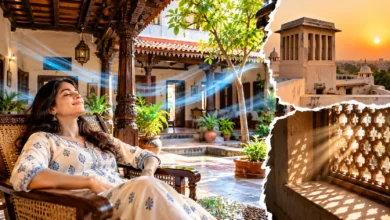
Handcrafted Decor Trend in India: Warmth Returns to Homes
Urban homeowners are shifting from mass-produced interiors to handcrafted décor, blending tradition, sustainability, and individuality, as textured art and handmade elements bring warmth, character, and long-term value to modern living spaces.

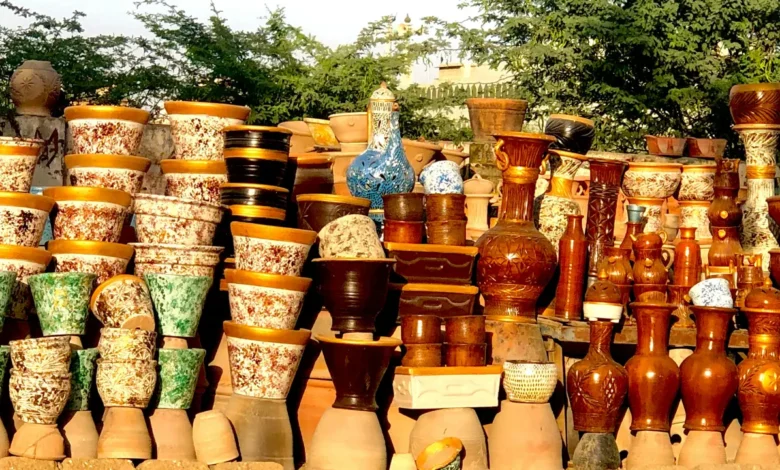
- Handcrafted Decor Trend in India adds warmth and personality missing in modern homes
- Traditional Indian art forms like Madhubani and Pichwai gaining popularity
- Buyers now see handcrafted art as both décor and long-term investment
Homeowners are moving away from perfectly polished, factory-made interiors and rediscovering the charm of handcrafted décor. From Delhi and Mumbai to Bengaluru and Hyderabad, modern homes are now embracing art and design elements that carry a visible human touch something that mass-produced interiors often lack.
Over the past decade, urban home design was dominated by modular furniture, sleek finishes, and ready-made décor items. These elements made homes look neat and complete, but often left them feeling impersonal. Despite the visual perfection, something was missing the sense of warmth and individuality that comes from handmade details.
Today, that gap is being filled by handcrafted pieces. Whether it’s a hand-painted canvas in a minimalist living room or a textured sculpture placed on a console, these elements are slowly redefining how Indian homes look and feel. Experts in the design space believe that even a single handcrafted piece can transform the entire mood of a room.
Why Handcrafted Elements Matter in Modern Homes?
One of the biggest reasons behind this shift is the sensory appeal of handmade art. Unlike digital prints or machine-made décor, handcrafted items have natural imperfections uneven brushstrokes, textured surfaces, and subtle variations that make them unique. These imperfections are not flaws; instead, they create depth and character.
In urban apartments, where layouts are often compact and designed for maximum efficiency, interiors can sometimes feel overly functional or even sterile. Built-in storage, uniform finishes, and standardised designs prioritise practicality but often ignore emotional connection.
Handcrafted décor changes that equation. It introduces warmth, storytelling, and a sense of identity. A Madhubani painting from Bihar or a Pichwai artwork from Rajasthan doesn’t just decorate a wall, it reflects culture, tradition, and personal taste. It tells visitors that the space is lived in, not just styled.
A Growing Market for Handmade Art
Another key factor driving this trend is accessibility. Earlier, buying original artwork was often expensive and limited to galleries or elite buyers. Today, digital platforms and direct-to-consumer models have made handcrafted art more affordable and accessible.
Artists can now connect directly with buyers, reducing middlemen and unnecessary markups. This has created a more transparent market where people from different income groups can invest in genuine, handmade pieces. As a result, more artists are able to sustain their work, while buyers get access to unique décor options.
This shift is not limited to metro cities. Tier-two cities are also witnessing growing interest in handcrafted décor, indicating a wider cultural change in how people approach home design.
Handcrafted Décor as an Investment
Interestingly, handcrafted art is no longer seen as just decoration it is increasingly viewed as an investment. Limited-edition artworks and original pieces often appreciate in value over time, especially as the artist gains recognition.
Many artworks follow a structured pricing model, where each sale increases the value of subsequent pieces. For homeowners, this creates an opportunity to combine aesthetics with financial planning. A thoughtfully chosen artwork can enhance a home’s interiors while also growing in value over the years.
India’s Rich Craft Heritage Driving the Trend
India’s deep-rooted craft traditions play a major role in this movement. From Madhubani paintings in Bihar to Pichwai art in Rajasthan, and contemporary mixed-media creations emerging from art institutions in Baroda and Shantiniketan, the country offers a vast pool of skilled craftsmanship.
For years, the challenge was accessibility connecting these artists with urban buyers. Now, with better platforms and awareness, that gap is closing. Homeowners are increasingly choosing décor that celebrates Indian heritage while fitting seamlessly into modern interiors.
Sustainability and Conscious Living
Sustainability is another important factor behind the rise of handcrafted décor. Mass-produced home accessories often have a short lifecycle they follow trends, wear out quickly, and are frequently replaced.
In contrast, handcrafted items are typically made with durable, high-quality materials and are designed to last for years, even decades. For a generation that is becoming more conscious about consumption, investing in fewer but meaningful pieces is a smarter choice.
This shift reflects a broader mindset change from fast décor to thoughtful living. Instead of filling homes with temporary trends, people are now curating spaces that feel personal, timeless, and sustainable.
The New Definition of a Beautiful Home
The definition of a “well-designed home” is evolving. It is no longer about perfection or uniformity but about character and authenticity. Handcrafted elements bring a sense of balance to modern interiors, blending clean lines with artistic expression.
As this trend continues to grow, it is clear that handcrafted décor is not just a passing phase. It represents a deeper desire for homes that feel real, lived-in, and emotionally connected.
Also Read: 7 Simple Ways to Protect Your Houseplants from Pollution and Dust
Also Read: Home Decor Tips: Easy Winter to Spring Transition Guide