
Berger Paints Announces Price Hike from May 5 Amid Rising Raw Material Costs
India’s paint industry faces another round of price hikes as Berger Paints leads with a 3–5% increase, driven by crude-linked input costs and ongoing global supply disruptions.

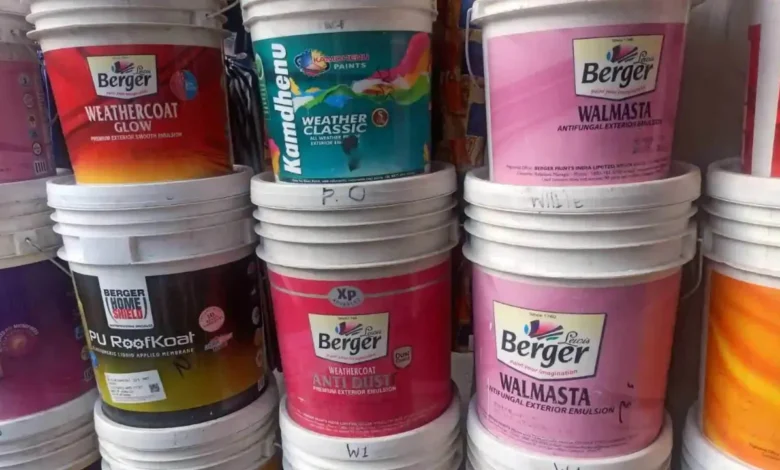
- Berger Paints to raise prices by 3–5% from May 5, 2026
- Third price hike in just over a month due to rising input costs
- Other major paint companies likely to follow with similar increases
India’s paint industry is witnessing a fresh wave of price hikes as companies grapple with rising input costs and global uncertainties. Berger Paints has announced a price increase of 3–5% effective May 5, 2026, marking yet another adjustment in response to escalating raw material prices.
The move comes at a time when manufacturers across the sector are under pressure from rising costs of crude oil derivatives key ingredients used in paint production. These include solvents, monomers, and resins, which together account for nearly 40–50% of total production expenses. As global crude oil prices remain volatile due to geopolitical tensions, including the ongoing Iran-related concerns, companies are finding it increasingly difficult to maintain margins without passing on some of the cost burden to consumers.
This is the third price hike by Berger Paints in just over a month, underlining the intensity of cost pressures. The company had earlier implemented a 5–10% increase on April 9, following an initial round of hikes introduced on March 30, primarily targeting premium and luxury emulsions. The rapid succession of price revisions reflects how quickly input costs have risen in recent weeks.
Despite these increases, Berger Paints remains optimistic about demand. The company has indicated that consumption trends are improving, suggesting that the market is resilient enough to absorb moderate price adjustments. This is an important signal for the broader industry, as demand stability plays a crucial role in sustaining growth even during periods of cost inflation.
The trend is not limited to Berger Paints alone. Other major players in the industry, including Asian Paints, Kansai Nerolac Paints, Birla Opus, and AkzoNobel India, are also expected to implement similar price hikes of up to 5% starting May 5. This would mark the third coordinated round of increases across the sector since late March, highlighting a widespread industry response to cost escalation.
Among these, Asian Paints has already taken proactive steps, raising prices twice in April. The company increased rates by 6–8% in two phases first on April 10 across emulsions, enamels, and wood finishes, followed by another hike on April 21. According to market reports, it may introduce an additional increase of 3–5% from May 5, aligning with the broader industry trend.
At the core of this issue is the heavy dependence of paint manufacturing on petroleum-based raw materials. Any fluctuation in global crude oil prices directly impacts production costs. Recent geopolitical developments have disrupted supply chains and tightened availability, pushing prices upward. For manufacturers, this creates a challenging environment where maintaining profitability requires careful pricing strategies.
For consumers especially homeowners, builders, and real estate developers, this means higher painting and renovation costs in the coming months. Projects planned for mid-2026 may see budget revisions, particularly in premium and luxury segments where price sensitivity is relatively lower but cost increases are more noticeable.
From an industry perspective, companies are trying to strike a balance between protecting margins and sustaining demand. Frequent but calibrated price hikes are being used as a strategy to avoid sudden shocks to the market while gradually adjusting to higher input costs.
Looking ahead, the trajectory of paint prices will largely depend on global crude oil trends and geopolitical stability. If input costs continue to rise, further price revisions cannot be ruled out. However, if supply conditions improve, the pace of increases may slow down.
For now, the May 5 hike signals that the paint industry remains firmly in a cost-driven cycle, with companies taking necessary steps to navigate ongoing economic and global challenges.