UPPCB Sends Notices to 300 Housing Societies in Ghaziabad Over Air Pollution
The Uttar Pradesh Pollution Control Board has issued notices to 300 group housing societies in Ghaziabad, directing them to conduct regular water sprinkling inside and outside their premises to control dust pollution.

-
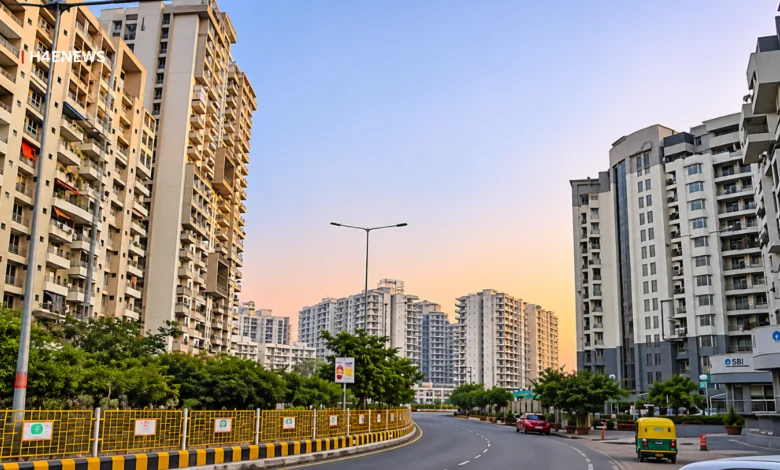
UPPCB has issued notices to 300 housing societies in Ghaziabad to control air pollution.
-
More than 400 group housing societies operate in the district, with another 100 expected to receive notices in the next phase.
-
AOA, RWA and builders have been directed to ensure regular water sprinkling and encourage residents to use public transport and carpooling.
Ghaziabad: The Uttar Pradesh Pollution Control Board (UPPCB) has issued notices to 300 group housing societies in Ghaziabad, asking them to take immediate steps to control dust pollution. The directive requires societies to regularly sprinkle water within their premises and on surrounding areas to prevent dust particles from becoming airborne.
The action comes amid rising air pollution levels across Delhi-NCR following Diwali. With winter approaching, pollution levels are expected to remain a concern due to increased moisture in the air and the accumulation of dust particles. Ghaziabad has more than 400 small and large group housing societies, and the pollution control board plans to issue notices to another 100 societies in the second phase.
According to the notice, the Apartment Owners’ Associations (AOAs), Resident Welfare Associations (RWAs) and builders responsible for maintaining these societies must ensure regular water sprinkling inside and outside their premises.
The measure is intended to prevent dust from rising into the air, particularly in residential areas with internal roads, open spaces and construction-related dust. The Municipal Corporation will separately deploy its teams to sprinkle water on roads outside the housing societies.
UPPCB has also asked AOAs and RWAs to create awareness among residents about air pollution and encourage them to use public transportation and carpooling wherever possible. Reducing the number of private vehicles on roads could help lower vehicular emissions and improve air quality.
Air quality in Ghaziabad remained a concern on Friday morning, with the district recording an average Air Quality Index (AQI) of 232, placing it in the ‘Poor’ category.
The Loni area reported the highest pollution levels in the district. Officials have warned that falling temperatures, increased moisture and the accumulation of dust particles during winter could further worsen air quality.
Regular water sprinkling across residential societies is expected to help reduce airborne dust and provide some relief to residents.
UPPCB Regional Officer Ankit Singh confirmed that notices are being issued to housing societies across Ghaziabad in phases. While 300 societies have received notices so far, the remaining societies will be covered in the next phase.
He stated that the organisations responsible for maintaining housing societies must ensure water sprinkling both inside and outside their premises. The pollution control board will also monitor compliance, and societies found neglecting the instructions may face further action.
The move places greater responsibility on housing societies, builders and resident welfare bodies to participate in local pollution-control efforts.
Also Read: GDA Cancels Draw for 1,080 Wave City LIG Flats; Applicants Protest at Authority Office
Also Read: Telangana Plans ₹40,000 Crore Miyapur Land Auction Across 386 Acres in Hyderabad