Chandigarh Housing Crisis: ₹45 Per Unit Power, Force Residents to Leave
A major housing complex in Zirakpur faces a severe crisis as power outages, high electricity costs, and missing developers push hundreds of residents to vacate their homes.

- Residents paying up to ₹45/unit due to diesel generator dependency
- Over half of 600 occupied flats vacated within weeks
- Daily power cuts stretch up to 11.5 hours amid 40°C heat
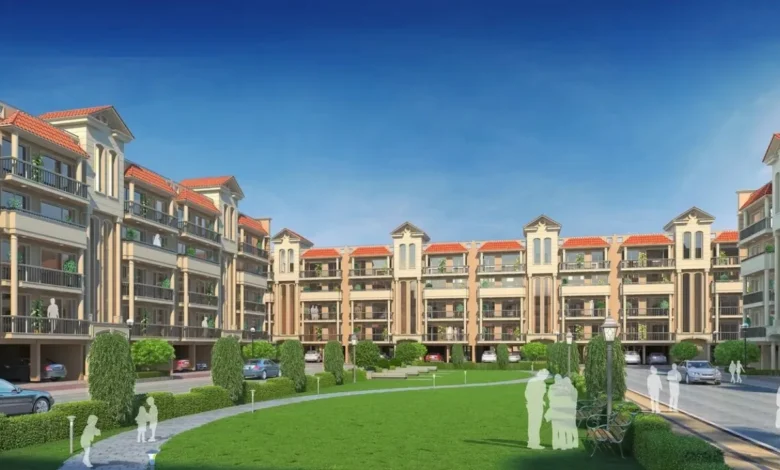
Chandigarh: A major residential crisis has unfolded at the Sushma Valencia housing complex in Zirakpur, where hundreds of families are being forced to leave due to prolonged power cuts, skyrocketing electricity costs, and lack of basic maintenance services.
The situation worsened in mid-March when residents allege that the developer suddenly became unresponsive, leaving essential services unmanaged. What was once a fully occupied society with nearly 600 families has now seen a massive exodus, with residents vacating their homes almost daily.
Residents say that nearly half of the occupied flats have already been vacated in just over a month. With living conditions deteriorating rapidly, around five to six families are reportedly leaving every day. Basic services such as security have also been scaled down significantly, with staff reduced from 18 guards to just three.
The housing society, which has around 700 units, is now struggling to function without proper management. In the absence of the developer, residents have stepped in to manage daily operations through emergency funding and informal arrangements.
The most pressing issue remains electricity. A majority of flats still do not have permanent electricity connections and are dependent on diesel generators. This has pushed electricity costs from around ₹7 per unit earlier to nearly ₹45 per unit today.
Residents say they now receive power only during limited time slots from 5 am to 9:30 am, 2 pm to 4 pm, and 7:30 pm to 1:30 am resulting in daily outages of nearly 11 to 11.5 hours. In peak summer conditions, with temperatures touching 40°C, this has made living conditions extremely difficult.
The financial burden is equally severe. Daily expenses on diesel and generator operations range between ₹1 lakh and ₹2.5 lakh, and could rise further due to pending payments and rental dues for the generators.
The electricity shortage has also disrupted water supply, as pumps rely entirely on generator power. Residents report irregular water availability, adding to their daily struggles.
Lift services have been heavily restricted and operate only during specific hours aligned with generator schedules. In one alarming incident, an elderly resident who suffered a heart attack had to be carried down the stairs because lifts were not functioning.
With no response from the developer, residents have started collecting an emergency contribution of ₹10,000 per household each month to keep essential services running. They are also in the process of registering a Resident Welfare Association (RWA) to formally take over management of the society.
Many residents claim they had already paid maintenance charges in advance until 2027, making the current situation even more frustrating.
Officials from the Punjab State Power Corporation Limited (PSPCL) have clarified that permanent electricity connections cannot be provided until the developer secures a mandatory No Objection Certificate (NOC) and meets all regulatory requirements under the Electricity Act, 2003.
Sources indicate that discrepancies related to land ownership and licensing have delayed approvals. The project was reportedly linked to multiple entities, including Shipra Estates Limited and Suksha Developers Pvt. Ltd., with licensing issues still unresolved. The matter has now been referred to the Punjab State Electricity Regulatory Commission.
Under existing regulations, if the developer fails to respond within a stipulated period, authorities may classify the project as “abandoned” and initiate steps to take control in order to protect residents’ interests.
Residents recently approached officials from the Punjab Chief Minister’s office, seeking urgent intervention. While assurances have been given, no immediate relief has been announced so far.
Meanwhile, questions are also being raised about how occupancy certificates were issued to the project without ensuring permanent electricity infrastructure.
Ironically, despite the crisis, property prices in the society had reportedly reached up to ₹1 crore for certain units. However, with the ongoing situation, the livability of the complex has come under serious doubt.
For now, uncertainty looms large over the future of the housing complex, as remaining residents continue to cope with high costs, limited services, and lack of accountability from the developer.
Also Read: NVIDIA Leases 7.6 Lakh Sq Ft Office in Bengaluru
Also Read: DDA Launches Mega E-Auction of 142 Residential and Commercial Plots Across Prime Delhi Locations