ReaRCo Revives Greater Noida Project with Rs 250 Cr Plan
ReaRCo acquires KV Developers via NCLT and secures SWAMIH funding to restart a long-delayed Greater Noida housing project, aiming to deliver homes and restore buyer confidence.

- Rs 250 crore investment planned to complete stalled housing project
- Around 650 units under construction, possession expected soon
- SWAMIH Fund support boosts revival of delayed residential developments
Greater Noida: ReaRCo Private Limited has acquired KV Developers through the insolvency process and announced a Rs 250 crore investment to revive a long-stalled residential project in Greater Noida West. The move is expected to bring long-awaited relief to nearly 400 homebuyers who have been waiting for possession for over a decade.
The acquisition was completed under the framework of the National Company Law Tribunal (NCLT), marking a significant step in resolving distressed real estate assets. The revival plan is supported by Rs 195.5 crore funding from the SWAMIH Fund, a government-backed initiative aimed at completing stuck residential projects across the country.
Originally launched in 2012–13, the project earlier known as KVD Wind Park entered insolvency in 2019 due to financial distress and construction delays. ReaRCo took over the project rights in July 2023, followed by approvals from local authorities and the Uttar Pradesh Real Estate Regulatory Authority (UPRERA). Construction officially resumed in August 2024 after years of inactivity.
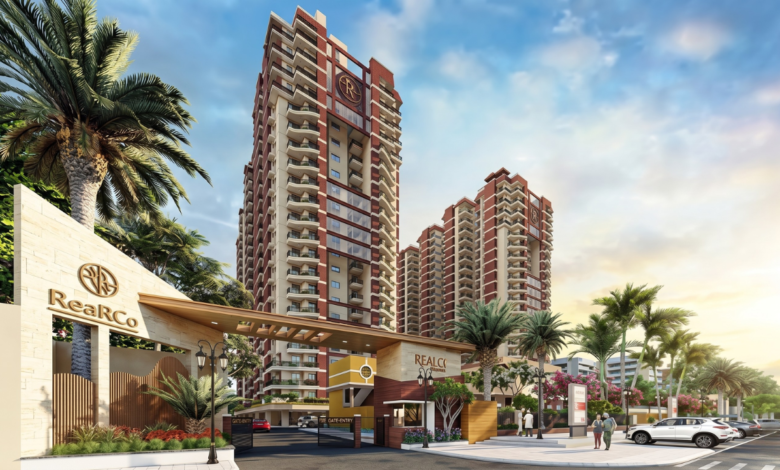
The development, now rebranded as Vayu@KVD Wind Park, is spread across 5 acres in Techzone-4, Greater Noida West. It includes seven residential towers and around 850 units, with an estimated total sales value of Rs 500 crore. According to the company, construction work across five towers is already more than 90 percent complete, and possession for existing buyers is targeted by the end of this year.
As part of the resolution plan, ReaRCo has also addressed the project’s financial liabilities. The company has cleared approximately Rs 35 crore in dues to financial institutions and another Rs 60 crore to the development authority, effectively making the project debt-free. This clean financial slate is expected to improve execution speed and restore trust among buyers.
Notably, nearly 75 percent of the SWAMIH funding has already been deployed for construction, while only about 15 percent of units remain unsold. This indicates strong financial viability and market demand, especially in the Greater Noida West micro-market, which has seen steady end-user interest in recent years.
The project has also undergone a significant upgrade in terms of amenities and lifestyle features. Plans now include an infinity pool, a terrace garden café, and a modern clubhouse, aligning the project with current buyer expectations in the mid-income housing segment.
Speaking on the development, ReaRCo’s Founder and Managing Director, Geetanjali Khanna, highlighted that the company is among the first in the sector to successfully acquire a stalled housing project through NCLT and secure SWAMIH funding in the initial attempt itself. She added that the focus remains on timely delivery and restoring buyer confidence.
The role of the SWAMIH Fund has been crucial in such revivals. Managed by SBI Capital Ventures, the fund is a Rs 15,530 crore government initiative designed to provide last-mile financing to RERA-registered stalled projects. As of early 2026, it has supported over 130 projects, helping unlock nearly one lakh homes across key real estate markets like NCR, Mumbai Metropolitan Region, and Pune.
Industry experts believe that such successful resolutions highlight a growing trend—where institutional capital and policy-driven funding mechanisms are stepping in to revive stressed real estate assets. This not only accelerates project completion but also strengthens confidence among homebuyers who have been impacted by delays.
With construction nearing completion and financial challenges largely resolved, the Vayu@KVD Wind Park project now stands as a strong example of how structured intervention and funding support can bring stalled developments back on track.