
How Real Experiences Became the Most Powerful Marketing Tool in 2025
In 2025, consumers prioritize authentic experiences, sustainability, and tangible value over flashy ads, making real-life product demonstrations and performance-driven marketing the strongest way to earn trust.
-
Consumers demand hands-on experiences before buying home lifestyle products
-
Sustainability now drives product design and everyday decisions
-
AI supports creativity, but human insight remains essential for trust
The way people evaluate products and brands has shifted dramatically in recent years, especially in home lifestyle and bathroom categories. Rising costs, global uncertainties, and a flood of digital information have made consumers far more discerning. Today, a product must prove its value through performance, durability, and real-life experience rather than relying on glossy advertising or celebrity endorsements.
Experiencing Quality Firsthand
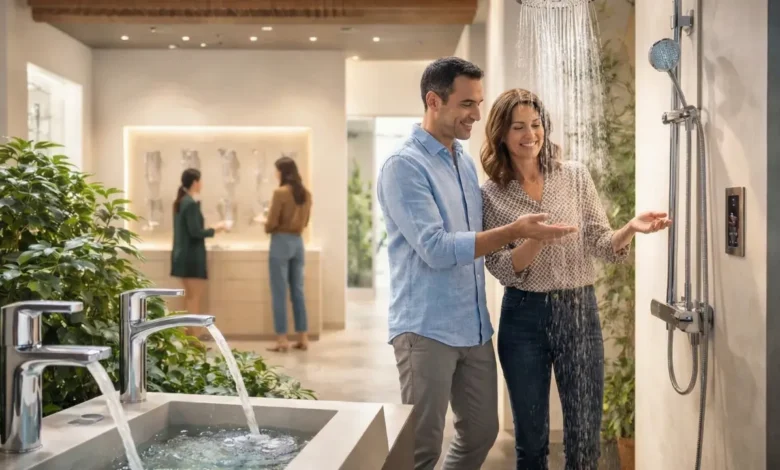
Trust in home products now stems from seeing, touching, and testing rather than simply reading about them. Showrooms have evolved to meet this need: live water studios, interactive demo zones, and guided workshops allow homeowners and designers to experience products in real conditions. For example, water-saving mixers and showers are no longer just marketed for efficiency—customers expect to feel the difference in flow and comfort before purchase. Technologies such as EcoSmart, which optimize water usage without compromising the user experience, have gained popularity precisely because the benefits are tangible and immediate.
Sustainability as a Baseline Expectation
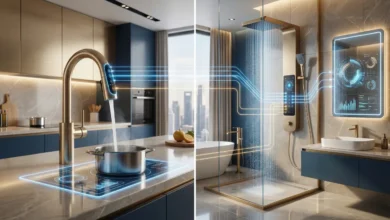
Sustainability has moved from a marketing buzzword to a concrete expectation. Modern bathrooms are designed with efficiency in mind, and water conservation is no longer optional. Urban homeowners increasingly recognise that every litre saved affects both the environment and monthly utility bills. As a result, features like efficient flush systems, low-flow showers, smart temperature control, and water-optimising cartridges are now considered standard rather than optional. Technology allows these features to enhance daily living without compromising comfort, turning sustainability into a value-added experience rather than a trade-off.
AI Accelerates Creativity, Humans Ensure Relevance
Artificial intelligence is transforming how brands conceptualize and communicate, but it cannot replace human intuition. Designers, architects, and marketers rely on personal insight to understand how people live, move, and interact with their spaces. AI is most effective when it supports human creativity, speeding up visualizations, trend forecasting, and content development, freeing professionals to focus on emotional relevance, storytelling, and tactile experience. A shower or bathroom that feels comforting and functional cannot be fully conveyed through AI alone; trust emerges when technology is paired with real human understanding.
Building Resilience Through Meaning
In today’s uncertain world, resilience is not about loud marketing but meaningful engagement. Consumers now seek clarity, reliability, and purpose. In the bathroom and home lifestyle sectors, this translates into long-lasting quality, responsible water usage, and designs that enhance everyday life. Brands that deliver substance—through verified performance, transparency, and thoughtful innovation—build trust that lasts. This trust, earned through real experiences and tangible value, has become the most powerful marketing tool of 2025.