
7 Simple Ways to Protect Your Houseplants from Pollution and Dust
Simple, practical tips to keep your indoor plants healthy, dust-free, and thriving in polluted urban environments.
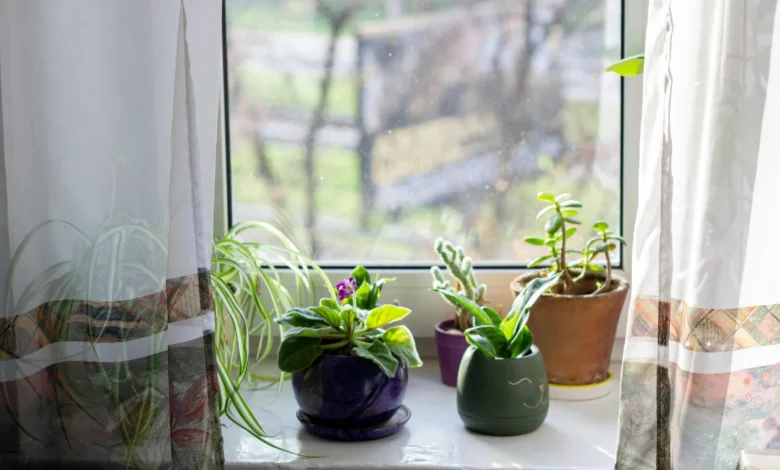
Indoor plants make a home feel alive. They add freshness, improve mood, and even help filter indoor air. But in cities like Noida, Delhi, and other urban areas, pollution and dust can quietly damage your houseplants. Construction activity, traffic fumes, and dry air cause dust to settle on leaves, blocking sunlight and affecting plant health.
If you’ve noticed dull leaves, slow growth, or plants looking “tired,” pollution and dust might be the hidden reason.
Here are 7 simple and practical ways to protect your houseplants from pollution and dust — easy to follow, even if you’re a beginner.
1. Clean the Leaves Regularly (The Most Important Step)
Dust settles on leaves and blocks sunlight, which reduces photosynthesis. Over time, this weakens the plant.
What You Should Do:
-
Wipe leaves gently with a soft damp cloth once a week.
-
For small-leaf plants, use a spray bottle and lightly rinse.
-
Support the leaf from underneath while cleaning to avoid damage.
💡 Avoid using milk or chemical sprays — plain water is enough.
2. Give Your Plants a Monthly Shower
Once a month, give your plants a gentle bath.
How:
-
Place them in the bathroom or balcony.
-
Use mild shower pressure.
-
Let water run over leaves to remove deep dust.
This is especially useful in highly polluted cities.
⚠️ Make sure pots have proper drainage before doing this.
3. Place Plants Away from Direct Pollution Sources
If your balcony faces a busy road or construction site, avoid placing delicate plants directly there.
Better Placement Tips:
-
Keep plants slightly inside rather than right next to open windows.
-
Use curtains or mesh screens to reduce dust entry.
-
Avoid placing plants near frequently opened doors.
Location matters more than people realize.
4. Improve Indoor Air Quality
Cleaner air = healthier plants.
You Can:
-
Use an air purifier if pollution levels are high.
-
Keep windows closed during peak traffic hours.
-
Mop floors regularly to reduce indoor dust circulation.
If you’re living in high-rise apartments (common in Noida and Gurgaon), indoor dust still builds up — so ventilation and cleaning help.
5. Choose Pollution-Tolerant Plants
Some plants handle pollution better than others.
Here are a few hardy options:
-
Snake Plant – Extremely low maintenance and pollution-resistant
-
Areca Palm – Helps humidify indoor air
-
Money Plant – Grows well even in moderate dust
-
Rubber Plant – Thick leaves resist dust accumulation
If your home is near a highway or metro construction, choose sturdy plants.
6. Increase Humidity to Reduce Dust Stress
Dry air makes dust settle more quickly and stresses plants.
Simple Fixes:
-
Mist plants lightly (especially in winter).
-
Keep a bowl of water near plants.
-
Group plants together — this creates a mini humid zone.
Higher humidity also keeps leaves fresh and shiny.
7. Prune Damaged Leaves Quickly
If pollution has already damaged leaves (yellowing, browning edges), remove them.
Why?
-
Damaged leaves drain plant energy.
-
Pruning encourages fresh growth.
-
It improves overall appearance.
Always use clean scissors to avoid infection.
Bonus Tips for Urban Homes
If you live in apartments with balconies facing construction zones:
-
Install balcony glass panels if possible.
-
Use outdoor mesh covers.
-
Keep sensitive plants indoors during peak dust seasons.
Since you’re involved in real estate and home-related content, this topic can also work well for H4ENEWS under a “Home & Vastu Tips” category — especially targeting urban homeowners in NCR.
Final Thoughts
Pollution and dust are unavoidable in many Indian cities, but protecting your houseplants doesn’t have to be complicated.
Just remember:
-
Clean leaves regularly
-
Control placement
-
Improve air quality
-
Choose hardy plants