
Main Gate vs Main Door in Vastu: What’s The Real Difference
Understanding the difference between a plot’s main gate and a home’s main door can help improve energy flow, financial stability, and peace, according to traditional Vastu Shastra principles.
-
The main gate and main door serve different Vastu purposes
-
Each entrance controls a separate layer of energy flow
-
Direction and placement affect health, prosperity, and harmony
In Vastu Shastra, entrances are far more than just physical openings. They are seen as powerful gateways through which energy enters a property. One of the most common misunderstandings among homeowners is treating the main gate and the main door as the same thing. In reality, both have different roles, and each influences a different layer of your home’s energy.
Knowing how they function and how to align them correctly can make a noticeable difference in financial flow, emotional well-being, and overall stability.
What is the Main Gate in Vastu?
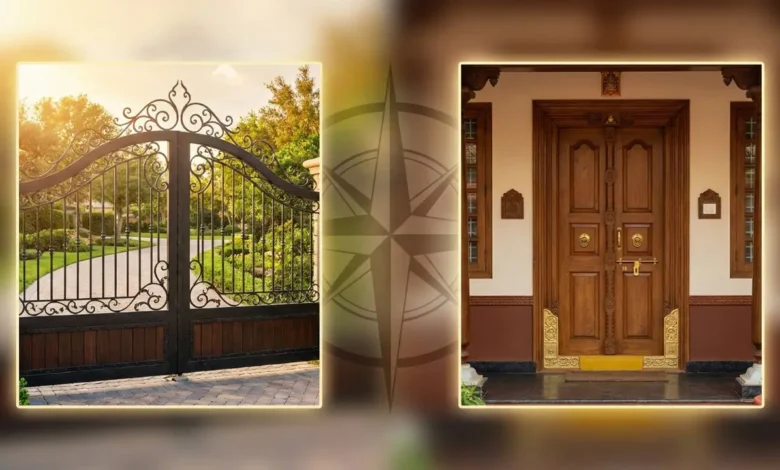
The main gate, also called the plot gate or compound gate, is the first point where energy from the outside world enters your property. It sits at the boundary of the plot and decides what kind of external energy is allowed to flow in.
From a Vastu perspective, the main gate governs opportunities, social connections, reputation, and the overall fortune associated with the land. If this gate is poorly placed, even a beautifully designed house may struggle to attract positive outcomes.
Best directions for the main gate are:
-
North
-
North-East
-
East
These directions are believed to attract prosperity, growth, and positive movement. South-West, South, and North-West are usually avoided unless specific corrections are applied by a Vastu expert.
What is the Main Door in Vastu?
The main door is the entrance to the house or building itself. It controls how energy flows into the living space where people spend most of their time. While the main gate manages the plot’s external energy, the main door determines how that energy circulates inside the home.
This entrance has a direct influence on health, mental peace, relationships, and financial stability. Even if the plot gate is perfectly aligned, a wrongly placed main door can disturb harmony within the household.
The most favourable directions for the main door are:
-
East
-
North
-
North-East
These directions are traditionally associated with clarity, prosperity, and balance.
Why the Difference Matters
The main gate and the main door work on two different levels. The main gate controls how energy enters the plot, shaping overall opportunities and growth. The main door, on the other hand, governs how that energy impacts daily life inside the home.
Think of the plot gate as the filter for external influences and the main door as the distributor of that energy within your living space. Both must work in alignment to create a truly balanced environment.
Many homeowners make the mistake of fixing only the main door while ignoring the plot gate. This can lead to partial improvements but not a complete Vastu balance.
Common Vastu Tips for Both Entrances
Certain guidelines apply to both the main gate and the main door:
-
They should ideally open inward and in a clockwise direction
-
The area in front should be clean, well-lit, and free of obstacles
-
Avoid dustbins, poles, or large trees directly in front of entrances
-
A clear nameplate on the main door is believed to enhance identity and stability
When both entrances are designed and positioned properly, the home becomes more supportive of its occupants’ health, finances, and peace of mind.
Why Many Homes Still Face Vastu Issues
In many modern developments, plot planning and building design are handled separately. As a result, even a well-designed home may sit on a plot with a poorly placed gate, or vice versa. This mismatch is one of the most common reasons people experience unexplained Vastu-related challenges.
A combined analysis of the plot and the building is always more effective than treating them in isolation.