

Kalpataru Projects Sells Vindhyachal Expressway to Actis for ₹775 Crore
Kalpataru Projects International has sold 100% stake in Vindhyachal Expressway to Actis for ₹775 crore, monetising a non-core road asset and redeploying capital toward its core EPC growth plans.
-
Deal value: ~₹775 crore (enterprise value, subject to adjustments)
-
Road asset: Rewa–Hanumana four-laning project (NH-7), DBFOT-toll model
-
Closing: approvals completed; completion targeted before Jan 31, 2026
Kalpataru Projects International Ltd (KPIL) has divested its entire equity holding in Vindhyachal Expressway Private Ltd (VEPL) to Actis, in a transaction valued at around ₹775 crore, as the company accelerates its strategy to exit non-core investments and strengthen its core engineering, procurement and construction (EPC) business.
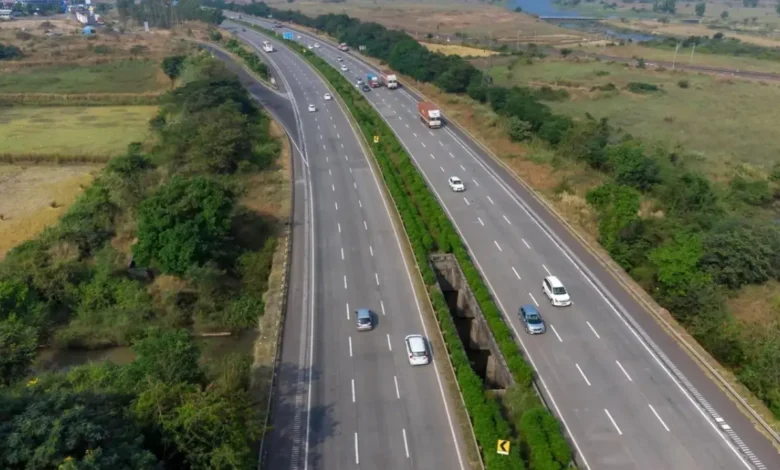
VEPL is a special purpose vehicle (SPV) created to develop and operate an 89.30-km four-laning corridor connecting Rewa to Hanumana—near the Madhya Pradesh–Uttar Pradesh border—on the NH-7 section. The project is held under a concession from the Madhya Pradesh Road Development Corporation (MPRDC) on a DBFOT (Design, Build, Finance, Operate and Transfer) – toll basis.
Why this deal matters
For KPIL, the sale is positioned as a portfolio optimisation move—unlocking value from a mature road asset and freeing up resources to double down on EPC-led growth. Company leadership has reiterated that the divestment aligns with ongoing efforts to streamline assets and focus on core operations.
From Actis’ perspective, the acquisition adds a toll-road asset with an established concession structure to its India infrastructure portfolio—an area where long-term investors typically look for predictable cash flows and operational upside. (KPIL’s disclosures identify the buyer entity as Actis Atlantic Holdings Limited.)
Deal timeline and closing update
KPIL had executed definitive agreements for the stake transfer on October 9, 2024, with completion subject to customary approvals and closing conditions. Recent updates indicate key approvals and conditions precedent have been completed, and the transaction is expected to be finalised before the long-stop date of January 31, 2026.
Helpful explainer: DBFOT (toll) in simple terms
Under a DBFOT-toll model, the developer/operator typically:
-
Designs and builds the road,
-
Arranges financing,
-
Operates and maintains the asset during the concession period, and
-
Collects toll revenue as the primary income stream, before eventually transferring it back under the concession terms.
This framework often makes completed road assets attractive for infrastructure-focused investors, while EPC companies may monetise such holdings to recycle capital into new construction opportunities.