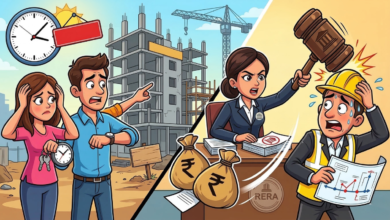

Hidden Clauses in Builder–Buyer Agreements: What Every Homebuyer Must Check Before Signing
From delayed possession to surprise charges, hidden clauses in builder–buyer agreements can quietly increase costs and risks. Here’s a simple guide to help homebuyers spot red flags before committing.

-
Many agreements favour builders through vague timelines and unequal penalties
-
Extra charges and layout changes are often hidden in fine print
-
Clear possession, refund, and legal clauses can save buyers years of trouble
Buying a home is often the biggest financial commitment a family makes. While most buyers carefully compare locations, prices, and floor plans, many overlook the most important document of all—the Builder–Buyer Agreement.
This agreement governs everything from possession timelines to refunds and maintenance. Yet, buried within its fine print are clauses that can quietly shift risk and cost onto buyers. Real estate experts say a few hours spent reviewing this document can prevent years of stress later.
Here’s a clear breakdown of the most common hidden clauses you should watch out for.
Possession Delays That Work One Way
Most agreements strictly penalise buyers for late payments but remain flexible when builders miss delivery dates. You may find:
-
No fixed possession deadline
-
Grace periods stretching 6–12 months
-
Token compensation such as ₹5–₹10 per sq ft for delays
What to do: Ask for a clearly defined handover date and ensure penalties apply equally to both sides.
Broad “Force Majeure” Definitions
While force majeure should cover genuine events like floods or earthquakes, some agreements expand this to include labour shortages, market conditions, or approval delays—giving builders wide room to extend timelines.
What to do: Ensure force majeure is limited to uncontrollable, extraordinary events only.
Surprise Charges After Booking
The price you agree to initially is often not the final amount. Buyers are later billed for:
-
Preferential Location Charges (PLC)
-
Clubhouse or amenity fees
-
Parking costs
-
Utility connections
-
Maintenance deposits
What to do: Request a complete, written cost sheet before signing anything.
Layout and Area Change Clauses
Some contracts allow builders to revise flat size, super area, or even common spaces without buyer consent—sometimes increasing the payable amount mid-way.
What to do: Look for caps on area variation (typically 3–5%) and insist on written approval for major changes.
Cancellation Rules Tilted Toward Builders
If you cancel, you may lose your booking amount or part of paid instalments. But if the builder cancels, refunds often come without interest—and sometimes after long delays.
What to do: Negotiate balanced cancellation terms with clear refund timelines and interest for delays.
Maintenance Starts Too Early
In many projects, buyers are asked to pay maintenance charges immediately after possession—sometimes even before basic services are operational or residents move in.
What to do: Ensure maintenance begins only after the occupancy certificate is issued and essential services are active.
Clauses That Limit Your Legal Rights
Some agreements restrict buyers from approaching consumer courts, mandate builder-controlled arbitration, or force disputes to be handled only in the builder’s home city.
What to do: Avoid clauses that reduce your legal options or make dispute resolution inconvenient.
Vague Refund Timelines
Phrases like “refund within a reasonable time” are common—and dangerous. In reality, this can mean months of waiting.
What to do: Ask for a defined refund window (such as 60–90 days), with interest if delayed.
Automatic Consent Traps
Certain clauses treat silence as approval. If you don’t respond quickly to a builder notice, it may be considered acceptance of design changes, added charges, or area revisions.
What to do: Request clauses that require explicit written consent.
Possession Without Proper Registration
Some builders offer possession before completing registration or obtaining statutory approvals, creating complications for resale, loans, and legal ownership.
What to do: Link possession to registration and completion of all mandatory approvals.
How Homebuyers Can Protect Themselves
Before signing any Builder–Buyer Agreement, experts recommend:
✅ Read every clause carefully—including annexures
✅ Match verbal promises with written terms
✅ Ask for clarifications over email, not just calls
✅ Get the agreement reviewed by a property lawyer
✅ Preserve all receipts and correspondence
In India, residential projects are regulated under the Real Estate Regulatory Authority, which mandates disclosures on carpet area, possession timelines, and penalties. Always verify your project’s registration status and details on the official RERA portal.
Final Word
A well-designed apartment means little if the agreement behind it is stacked against you. Hidden clauses may appear harmless at first—but they often lead to delays, unexpected expenses, and prolonged legal battles.
Taking time to understand your Builder–Buyer Agreement today can save you years of uncertainty tomorrow.
If you’d like, I can also share a simple pre-sign checklist for homebuyers or help decode any specific clause you’re unsure about—just tell me.