
Greater Noida Sector P3 Launches Stop-Correct Cleanliness Drive
Residents of Sector P3 in Greater Noida have launched a citizen-led cleanliness campaign, combining polite intervention, incentives, and municipal support to reduce public littering and improve neighbourhood sanitation.
-
Residents rewarded with chocolates and flowers for stopping littering
-
GNIDA supports drive with door-to-door waste collection and enforcement
-
Hanging dustbins to be provided for regular offenders
Greater Noida: In a unique blend of community participation and civic responsibility, residents of Sector P3 in Greater Noida have rolled out a new cleanliness campaign aimed at tackling one of the city’s most persistent problems—public littering.
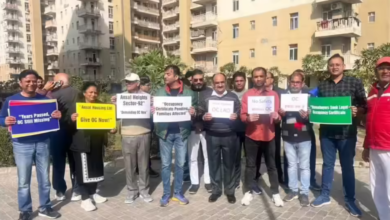
The initiative, called “Stop, Correct and Adopt Cleanliness,” encourages residents to politely intervene when they see someone dumping waste in the open. Instead of confrontations or penalties, the campaign promotes positive reinforcement, supported by both the Residents’ Welfare Association (RWA) and the Greater Noida Industrial Development Authority (GNIDA).
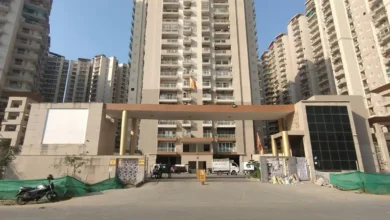
Sector P3 is home to nearly 7,000 residents across four blocks (A to D). With increasing footfall, rental housing, and daily waste generation, the area has struggled with garbage being thrown in open spaces, despite the presence of door-to-door collection services.
To make the drive engaging and participative, the RWA has announced a creative incentive model. Residents who successfully persuade someone to stop littering are asked to take a selfie with the offender after they comply. These photos are then shared with the RWA, and the resident is rewarded with flowers and chocolates as a token of appreciation.
RWA president Amit Bhati described the initiative as a friendly but firm push toward civic responsibility.
“It’s a kind of Munnabhai-style drive. We want people to correct others politely and help build a culture of cleanliness. Those who take the initiative will be recognised with flowers and chocolates,” he said.
Bhati added that while the campaign relies on goodwill and cooperation, it will not shy away from enforcement. Repeat offenders who ignore warnings will be reported to GNIDA, which has the authority to issue fines (challans) for illegal dumping.
“We are serious about maintaining hygiene in our sector. We expect every resident and visitor to respect these standards,” he said.
GNIDA’s Role: Infrastructure and Enforcement
GNIDA officials have welcomed the initiative, calling it a strong example of how citizen awareness, infrastructure, and enforcement can work together. The authority already provides door-to-door waste collection, and dustbins have been installed in key locations across the sector.
However, officials admit that implementation remains the biggest challenge, especially among residents who are not at home when garbage collection vehicles make their rounds.
An assistant manager from GNIDA said their teams are currently running surveys to identify repeat offenders.
“Most of these people are students or working professionals who are not available when waste collection vans visit or are frequently travelling,” the official said.
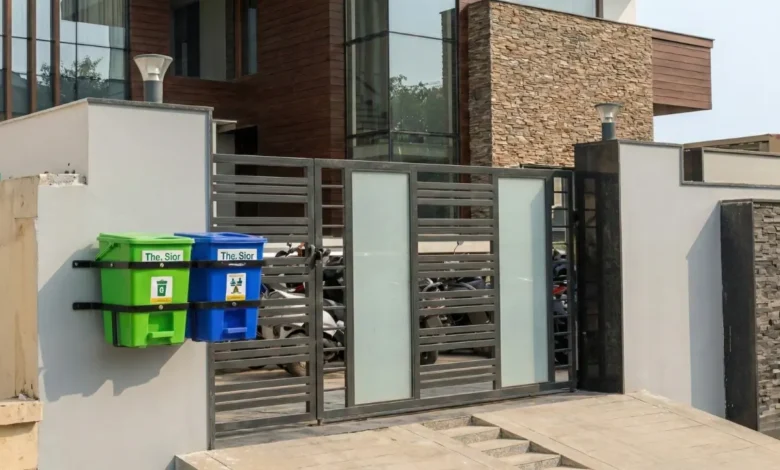
To address this gap, GNIDA has introduced a practical solution: hanging dustbins that can be installed on the boundary walls of such homes. These bins, available in 10, 15, and 20-litre sizes, cost between ₹1,500 and ₹2,000 and allow residents to dispose of waste at their convenience. Waste collection vans will then empty these bins during their regular rounds.
So far, 50 such hanging dustbins have already been procured, and more will be added based on demand.
Early Results Show Promise
According to GNIDA, similar sanitation and awareness efforts in East Greater Noida have already delivered nearly 70% positive results. Encouraged by this success, the authority now plans to expand the model across other sectors of the city.
Officials believe that long-term cleanliness will depend on a combination of public cooperation, infrastructure availability, and consistent enforcement—a formula Sector P3 is now putting into practice.
With residents stepping forward, local authorities backing the initiative, and innovative tools like hanging bins being introduced, Sector P3’s cleanliness drive could become a model for neighbourhoods across Greater Noida.