
Goodbye Kitchen Islands: The 2026 Kitchen Design Trend
In 2026, homeowners and designers are moving away from bulky kitchen islands toward flexible, wall-based layouts that improve flow, create more light, and make everyday cooking and living far more practical.
-
Fixed kitchen islands are being replaced by flexible, space-saving layouts
-
Designers now favour wall-mounted counters and sliding or folding worktops
-
Homes are being designed for daily living, not just visual impact
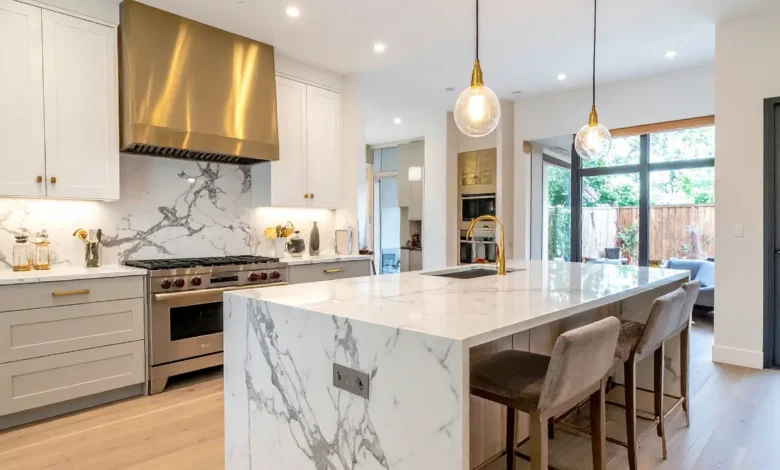
For years, the kitchen island was the undisputed star of home design. It was where people gathered, where food was served, where conversations happened. But in 2026, designers and homeowners are quietly stepping away from this once-essential feature. The trend is clear: goodbye kitchen islands, hello flexible, open, and smarter kitchens.
What triggered this shift isn’t fashion—it’s how people actually live. Modern homes have become offices, dining rooms, homework zones, and social spaces all rolled into one. In this reality, a large block of stone in the middle of the kitchen often causes more problems than it solves.
Interior designers are seeing the same pattern repeatedly. Homes with traditional islands feel cramped, especially in apartments and compact houses. Movement becomes awkward. One person is cooking, another wants the fridge, someone else is looking for a glass—and suddenly the kitchen turns into a traffic jam.
That frustration has given rise to a new layout: the flexible kitchen hub.
What’s replacing the kitchen island
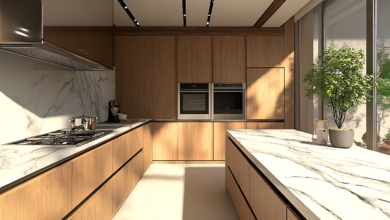
In many newly designed kitchens in 2026, the centre of the room is no longer occupied by anything fixed. Instead, the space stays open, bright, and easy to move through. The real work happens along the walls, where long, continuous counters run in L-shaped or U-shaped layouts.
Instead of one bulky island, designers add one adaptable surface:
-
A slim peninsula that rotates
-
A pull-out counter near a window
-
A table on hidden wheels that locks into place
-
Or a fold-down breakfast bar
These features give homeowners prep space when they need it and open floor area when they don’t.
This idea of a “resettable kitchen” has become especially popular since the pandemic. People want kitchens that can switch from laptop desk in the afternoon to dinner space at night—without moving furniture or fighting for space.
Why islands are falling out of favour
The classic island was designed for a different time. Large suburban homes could afford to give up floor area to a central showpiece. Today’s urban apartments, hybrid work lifestyles, and open-plan living demand something more practical.
Designers now focus on movement patterns rather than visual drama. In a good 2026 kitchen:
-
Cooking happens along one clean line
-
Washing and storage stay out of walking paths
-
Socialising happens at flexible edges, not in the middle
When the centre is free, the room feels calmer. Children can walk through without bumping into stools. Pets can lie down. Two people can pass without twisting sideways.
Even visually, the change is powerful. Without a big island, natural light flows better. The kitchen feels less like a workplace and more like a living space.
The rise of adaptable surfaces
The new kitchen philosophy is simple: surfaces should move.
Sliding cutting boards reveal sinks. Fold-down shelves become breakfast bars. Narrow ledges under windows transform into coffee spots. A small console can become a buffet table when guests arrive.
This allows homeowners to scale their kitchen up or down depending on the moment:
-
Quiet mornings use just one corner
-
Family dinners expand the layout
-
Weekend gatherings bring out the full surface
It offers the usefulness of an island—without the permanent blockage.
Designing a kitchen without an island
More people renovating their homes in 2026 are starting from the walls instead of the centre. Designers suggest mapping three daily moments:
-
Solo morning routine
-
Family meal
-
Guests visiting
Then they design walking paths and surfaces around those activities. Only after that do they add any extra counters—and those counters are almost always movable or foldable.
Many homeowners still worry that not having an island will hurt resale value. But in reality, a poorly placed island makes a kitchen feel smaller and less modern. A clean, flexible layout often feels more premium.
A quieter, more livable kitchen
There’s also an emotional side to this trend. Kitchens no longer need to perform. They don’t have to look like a cooking show set. They need to feel comfortable.
When the middle of the room is open, the kitchen becomes a place to lean against a window, scroll a recipe, sip coffee, or just stand quietly. It becomes part of the home, not a stage.
The goodbye kitchen islands movement is really about this: giving kitchens back to real life. Less clutter. More movement. More freedom.
And as design continues to evolve, flexible kitchens make future changes easier too. No heavy stone block locked to the floor. Just spaces that can move with you.
In 2026, the modern kitchen isn’t defined by what’s in the middle. It’s defined by how easily you can live in it.
-