
Aesthetic Fatigue: Home Decor Trends Making Indian Homes Look Dated
As India moves into 2026, homeowners are stepping away from Pinterest-perfect interiors and embracing warmer, more personal, and functional design choices that reflect real lifestyles instead of online trends.
-
Neutral-heavy and copy-paste interiors are losing appeal
-
Indian homeowners now value personality over perfection
-
Quiet maximalism and local materials are gaining popularity
As Indian homes head into 2026, interior design is quietly undergoing a major shift. After years of scrolling through endless feeds of flawless living rooms and magazine-style bedrooms, many homeowners are feeling what designers call “aesthetic fatigue.” Homes may have looked impressive on Instagram, but they often failed to feel comfortable, lived-in, or emotionally connected.
The era of designing homes purely to be photographed is fading. Instead, people want spaces that reflect who they are, how they live, and what they value. Designers across India agree that homeowners are now more interested in warmth, functionality, and individuality than chasing the latest decor trend.
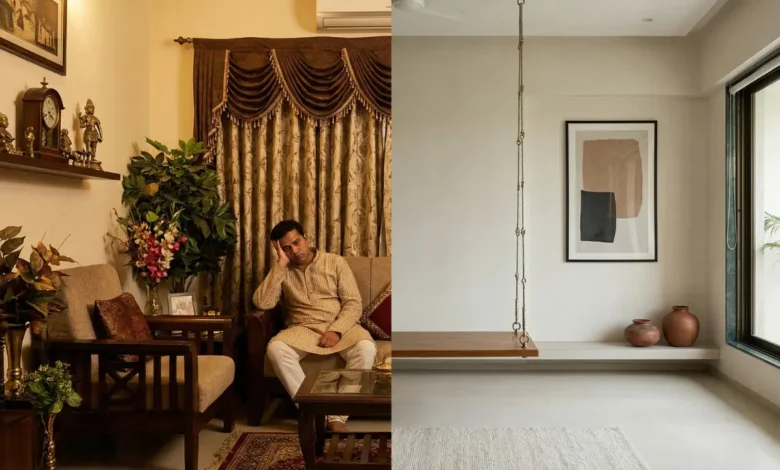
The once-popular formula of beige sofas, metallic accents, and predictable pops of colour has been repeated so many times that many homes now look eerily similar. While these styles were once seen as modern and safe, they have started to feel cold, generic, and disconnected from Indian lifestyles.
Why neutral-heavy homes are losing their charm
Muted palettes of white, grey, and beige were long favoured for their “clean” and minimalist appeal. But in Indian homes, where family, food, festivals, and warmth are central, such spaces often feel flat and lifeless.
Design experts point out that while neutral colours can be calming, overusing them drains a home of character. A space should feel welcoming and lived-in, not like a hotel lobby or a show flat. Many homeowners are now introducing deeper tones, natural textures, and layered finishes to bring personality back into their homes.
The end of Pinterest-perfect living
Another trend losing relevance is the obsession with Pinterest-inspired interiors. Homes filled with boho swings, identical bookshelves, and overly curated accessories may look stylish online, but they rarely suit real life.
Designers increasingly advise homeowners to stop decorating for social media or neighbours and instead focus on how they actually use their space. A home should support daily habits, routines, and family life—not just look good in photographs.
Spaces that try too hard to be trendy often age the fastest. What feels fashionable today can feel outdated tomorrow, especially when it lacks a personal connection.
Matching everything is out
Perfectly coordinated interiors—matching sofas, cushions, side tables, and symmetrical layouts—are also starting to feel tired. These catalogue-like homes lack depth and individuality. Instead of feeling thoughtfully designed, they appear mass-produced.
Today’s homeowners are experimenting with mixing old and new, sleek and traditional, minimal and expressive. A modern couch paired with a vintage rug, or handcrafted decor placed alongside contemporary furniture, creates a space that feels richer and more personal.
Fake materials no longer impress
Artificial finishes such as faux marble, plastic wood, and glossy surfaces that mimic natural materials are steadily falling out of favour. While they were once popular for being budget-friendly and flashy, they now feel soulless and short-lived.
Homeowners are increasingly drawn to authentic materials like solid wood, natural stone, brass, and handcrafted surfaces. These not only age better but also bring warmth and texture that artificial alternatives simply cannot replicate.
Walls are becoming more meaningful
Mass-produced wall art and slogan prints are also on their way out. Instead of generic decor, people now prefer meaningful pieces—family photographs, travel mementos, heirlooms, textiles, or locally made artwork.
The idea of a single bold “statement wall” is also being replaced by more cohesive design. Rather than one loud colour competing for attention, designers are now focusing on layered palettes where colour, material, and texture flow naturally across the space.
What Indian homes are moving towards in 2026
The new design direction is not about abandoning beauty—it’s about making beauty more personal. Designers encourage homeowners to curate their spaces over time, filling them with items that carry memories and meaning.
A shell collected during a beach trip, a painting from a local artist, or a handmade lamp can often say more than a trendy decor piece bought online. These elements give a home a story and make it feel uniquely yours.
One growing trend is quiet maximalism—a balance between India’s natural love for colour and detail, and a modern sense of restraint. Think traditional patterns paired with clean furniture, or bold textures softened by simple forms.
Layering is also key. Homes should evolve gradually, not be filled overnight. Mixing ceramics with metal, wood with glass, and old with new creates depth and visual interest without chaos.
Local materials and smart design lead the way
Indian crafts, natural woods, brass, and earthy finishes are making a strong comeback. They bring warmth, durability, and a sense of rootedness that imported or artificial materials often lack.
At the same time, functionality is becoming just as important as aesthetics. Modular furniture, flexible seating, and smart storage solutions are helping homes adapt to changing family needs and modern lifestyles.
And one timeless design element remains unbeatable—natural light. Letting sunlight flood into a home instantly makes it feel more open, lively, and inviting.
As 2026 approaches, Indian homes are shedding the pressure to look perfect and instead embracing spaces that feel honest, warm, and deeply personal.