
Lighting: The Most Underestimated Element of Home Décor
Often treated as an afterthought, lighting plays a decisive role in shaping comfort, mood, and visual appeal—quietly influencing how homes look, feel, and function every single day.

-
Poor lighting can dull even the best-designed interiors
-
Layered lighting creates balance, depth, and flexibility
-
Natural and artificial light must work together for comfort
When planning a home’s interiors, most homeowners focus on furniture, wall colours, flooring, and décor accents. Lighting, however, is frequently decided at the very end—often limited to a basic ceiling fixture chosen for convenience or cost. This approach overlooks one of the most influential elements of interior design. Lighting has the power to transform spaces, shape emotions, and define how a home is experienced daily.
A thoughtfully designed home can lose its charm under harsh or insufficient lighting. Conversely, even a simple space can feel elegant and inviting when light is used correctly. Despite its impact, lighting remains one of the most underestimated aspects of home décor.
Why Lighting Matters More Than We Think?
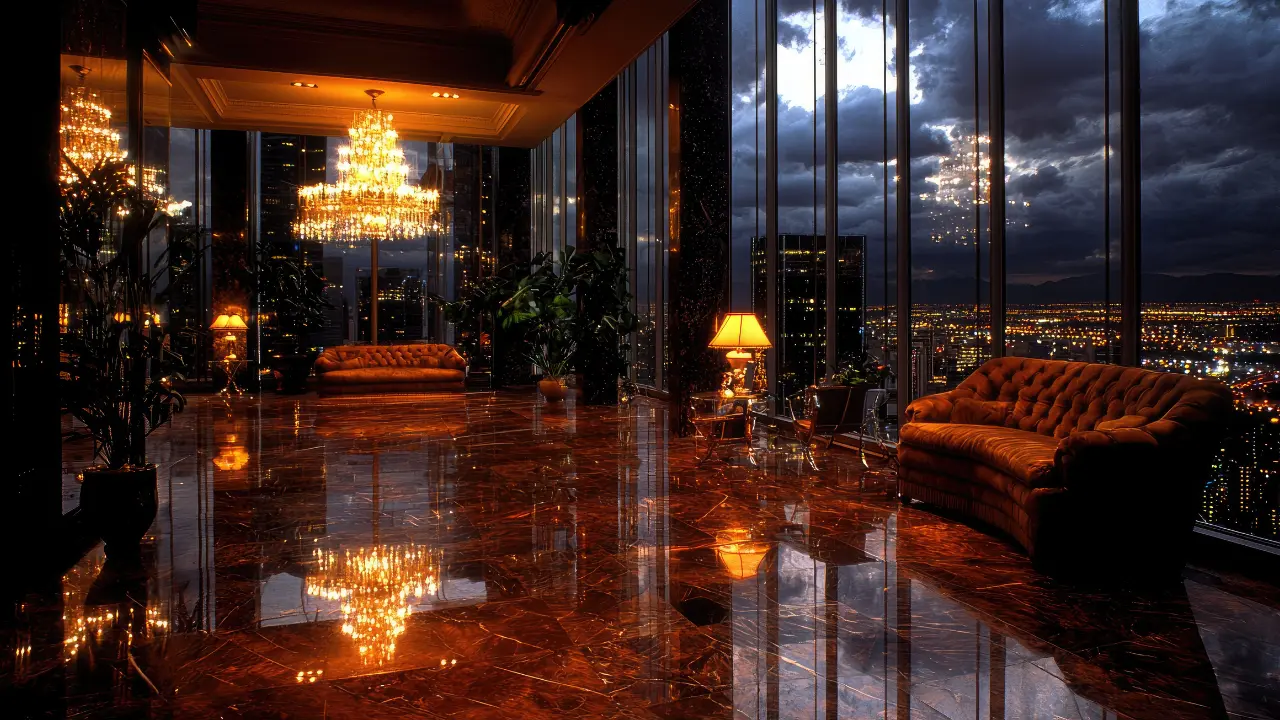
Lighting does far more than illuminate a room. It directly affects mood, productivity, comfort, and even sleep quality. The way light interacts with a space influences how colours appear, how textures are perceived, and whether a room feels spacious or confined.
Homes with poor lighting often feel gloomy or uncomfortable over time. Common issues include eye strain, constant fatigue, and a sense that something feels “off” in the space. On the other hand, well-planned lighting enhances architectural details, brings warmth to interiors, and creates an environment that supports mental well-being.
The Most Common Lighting Mistake
One of the biggest design mistakes in modern homes is relying on a single central light in each room. While ceiling lights provide basic visibility, they rarely offer comfort or visual depth on their own. This approach creates flat lighting, harsh shadows, and dark corners—making rooms feel cold and unfinished.
Even premium furniture and décor cannot compensate for poorly planned lighting. A space needs multiple light sources working together to feel balanced and lived-in.
The Power of Layered Lighting
Professional interior designers rely on layered lighting to create comfortable and visually rich spaces. This method uses multiple light sources at different levels, allowing flexibility throughout the day.
Ambient lighting forms the foundation. It provides general illumination and includes ceiling lights, recessed fixtures, and cove lighting.
Task lighting focuses on specific activities such as reading, cooking, or working. Desk lamps, pendant lights over kitchen counters, and vanity lights fall into this category.
Accent lighting adds character by highlighting artwork, textured walls, or architectural details. Spotlights, wall washers, and concealed LED strips are commonly used.
When these layers are combined thoughtfully, a room feels complete—both functional and aesthetically pleasing.
Also Read: 10 Home Decor Choices That Reveal Real Taste—or Just Trend Following
How Lighting Influences Mood and Well-Being
Lighting has a subtle yet powerful effect on human behaviour and emotions. Bright, cooler light encourages alertness and focus, making it ideal for kitchens, study areas, and workspaces. Softer, warmer light promotes relaxation and comfort, which is why it works best in bedrooms and living rooms.
Homes with harsh or poorly balanced lighting often feel restless over time. Sleep patterns may be disrupted, and residents may experience mental fatigue without realising the role lighting plays.
Natural Light: The Most Valuable Asset
Daylight is one of the greatest design elements any home can have. Spaces filled with natural light feel healthier, more open, and more positive. Maximising daylight should always be a priority.
Simple strategies include using light-coloured or sheer curtains, keeping window areas uncluttered, placing mirrors to reflect sunlight, and choosing light-toned surfaces. Artificial lighting should enhance natural light—not overpower it.
Room-by-Room Lighting Planning
Different rooms have different lighting needs.
In living rooms, layered lighting allows flexibility for entertaining, relaxing, or watching television.
Bedrooms benefit from warm ambient lighting paired with soft bedside lamps, avoiding harsh overhead fixtures.
Kitchens require bright, shadow-free lighting, especially over work surfaces and counters.
Bathrooms need even, glare-free lighting around mirrors, combined with softer ambient light for comfort.
Lighting as a Design Feature
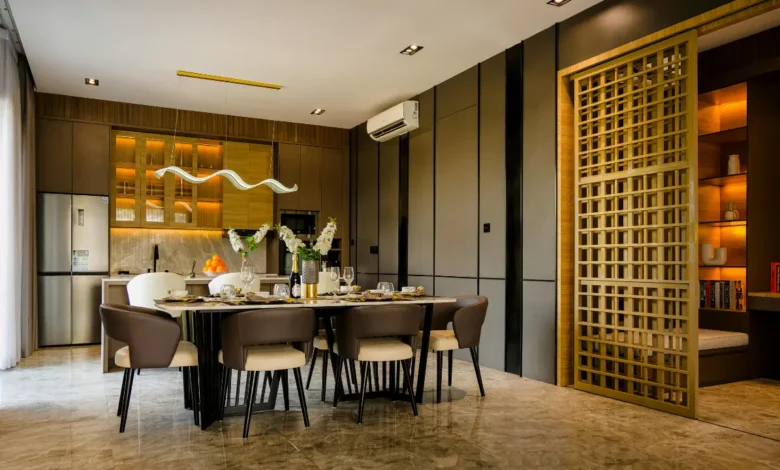
Today, lighting fixtures are no longer just functional necessities. Statement pendants, sculptural chandeliers, wall sconces, and concealed LED profiles have become integral design elements. A single well-chosen light fixture can define the personality of a room and elevate the entire interior.
Also Read: 5 Smart Decor & Design Hacks to Make Your Home Calm and Cosy
Efficiency, Smart Lighting, and Sustainability
Modern lighting design also embraces energy efficiency. LED lights consume far less electricity and last significantly longer than traditional bulbs. Smart lighting systems allow users to adjust brightness, colour temperature, and timing—adapting spaces to different moods and times of day while reducing energy consumption.
Why Lighting Should Be Planned Early
Lighting delivers the best results when planned alongside layouts, furniture placement, and finishes. Treating it as an afterthought often leads to compromises and missed design opportunities. Early planning ensures cleaner ceilings, better wiring, balanced illumination, and a more cohesive interior.
In home décor, lighting may not always steal the spotlight—but it quietly determines how everything else shines.