MahaRERA Recovers Nearly ₹269 Crore for Homebuyers Since 2017
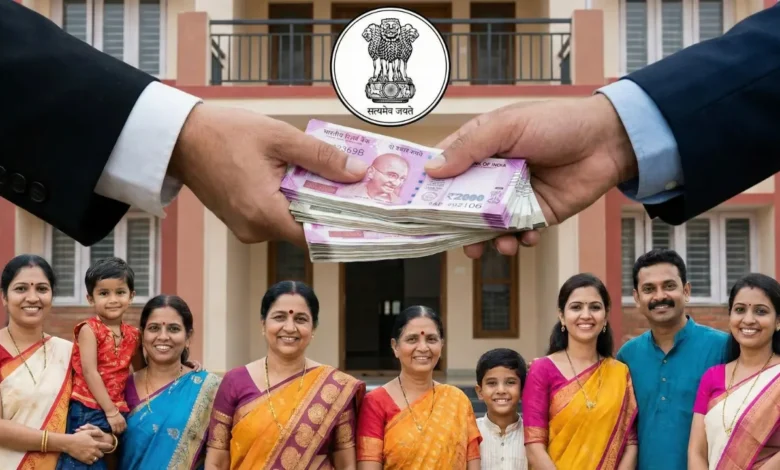
MahaRERA has recovered close to ₹269 crore for homebuyers since 2017, with district collectors enforcing compensation orders, highlighting the regulator’s role in strengthening buyer protection across Maharashtra.

-
₹268.87 crore recovered for homebuyers since MahaRERA’s inception
-
Recovery orders worth ₹792 crore issued in favour of 1,291 complainants
-
Mumbai Suburban leads recoveries, while some cases remain stalled at NCLT
Mumbai: MahaRERA has recovered nearly ₹269 crore as compensation for homebuyers since it began operations in May 2017, underscoring the growing enforcement of buyer rights under India’s real estate regulatory framework.
According to official data available up to the end of November 2025, the Maharashtra Real Estate Regulatory Authority, working in coordination with district collectors across the state, has facilitated the recovery of ₹268.87 crore awarded to aggrieved homebuyers.
During this period, MahaRERA passed recovery orders amounting to around ₹792 crore in favour of 1,291 complainants. However, not all awarded amounts have been realised. Recovery proceedings involving dues of about ₹103 crore are currently on hold as these cases are pending before the National Company Law Tribunal (NCLT), which has imposed restrictions on enforcement in matters involving insolvency proceedings.
Mumbai Suburban Leads Recoveries
Among districts, Mumbai Suburban has emerged as the highest contributor to recoveries. The district has recovered nearly ₹112 crore out of a total due amount of ₹352 crore. This is followed by:
-
Mumbai City, which has recovered ₹53 crore out of ₹104 crore awarded
-
Pune, with ₹47 crore recovered against dues of ₹196 crore
-
Thane City, where recoveries stand at ₹23 crore out of ₹74 crore
-
Alibaug, which has recovered ₹9.5 crore from a total due of ₹24 crore
The figures reflect wide variations across districts, largely depending on the financial position of developers and the speed of enforcement by local revenue authorities.
Districts With 100% Recovery
Several districts have managed to achieve full recovery of the compensation amounts awarded by MahaRERA. These include:
-
Nashik – ₹4.90 crore
-
Sindhudurg – ₹72 lakh
-
Solapur – ₹12 lakh
-
Chandrapur – ₹9 lakh
Officials say these cases typically involved smaller amounts or developers with adequate assets, allowing district administrations to complete recovery proceedings without prolonged delays.
How MahaRERA Helps Homebuyers Recover Money
MahaRERA functions as a quasi-judicial authority, meaning its primary responsibility is to hear complaints, adjudicate disputes, and issue compensation or refund orders on a case-by-case basis. While the authority determines the amount payable, it does not directly execute recoveries.
Once an order is passed and a developer fails to comply within the prescribed timeframe, the enforcement responsibility shifts to the state’s revenue machinery, mainly the office of the concerned district collector.
Enforcement Through District Collectors
Under Section 40(1) of the Real Estate (Regulation and Development) Act, 2016, unpaid compensation awarded by MahaRERA can be recovered as arrears of land revenue. In such cases, MahaRERA issues a recovery warrant and forwards it to the respective district collector.
District collectors are empowered under the Maharashtra Land Revenue Code to attach properties, freeze bank accounts, or initiate other coercive measures to recover dues from defaulting developers. This mechanism has proven crucial in translating regulatory orders into actual financial relief for homebuyers.
A Mixed Recovery Picture
While the recovery of nearly ₹269 crore marks a significant milestone, the data also highlights systemic challenges—particularly when developers enter insolvency proceedings. Cases pending before the NCLT often slow or temporarily halt recovery, leaving buyers waiting despite favourable orders.
Even so, experts say MahaRERA’s recovery track record reflects a steady strengthening of enforcement over time and has played a key role in improving accountability in Maharashtra’s real estate sector.