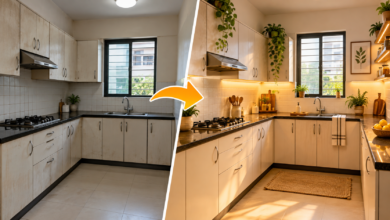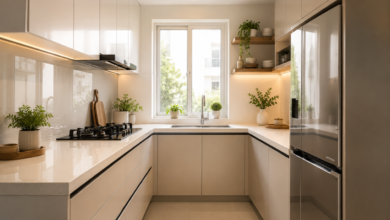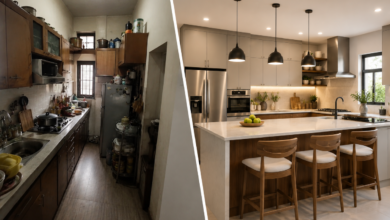
6 Common Mistakes That Make Your Kitchen Feel Empty
Even a spotless kitchen can feel bare if key design elements are missing. Experts reveal six mistakes that create an empty look and simple ways to make your space feel warm and lived-in.

-
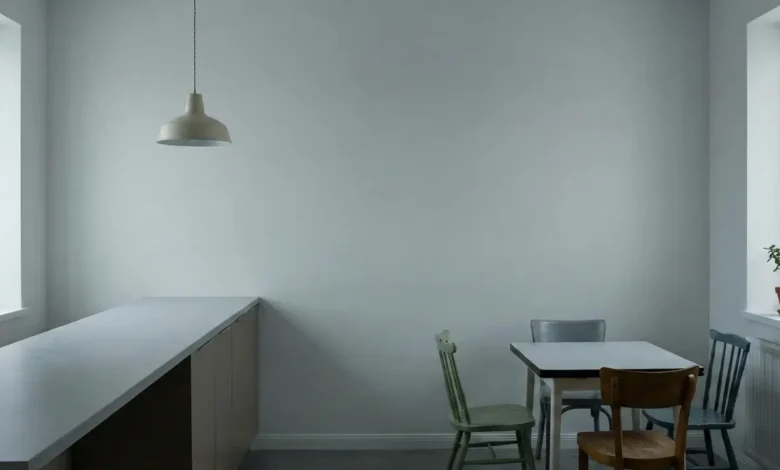
Lack of visual anchors or statement pieces can make a kitchen feel unfinished
-
Empty countertops and poor lighting contribute to a flat, uninviting space
-
Personal touches, art, and textures bring warmth and character to the room
A kitchen is the heart of the home, yet even the cleanest, most organized spaces can sometimes feel strangely empty. While clutter is often the enemy in modern design, too little in the way of visual elements can leave your kitchen cold and uninviting. Interior designers point out that the key to a warm, functional kitchen lies in balance—introducing intentional touches without overcrowding.
Here are six common reasons your kitchen may feel emptier than it is and practical tips to fix them.
1. Missing Visual Anchors
Large, open kitchens can feel vast and impersonal if they lack clear focal points. Islands, textured barstools, statement lighting, or even a well-placed rug act as visual anchors, giving the space structure and personality.
“A kitchen can feel empty when it lacks visual anchors,” says designer Nicole Cella. She suggests adding subtle textures like patterned runners in front of the sink or stylish hand towels draped on oven handles. For bigger kitchens, a central island can provide both functionality and a sense of coziness.
2. Blank Canvases
All-white or monotone kitchens have been popular for years, but when walls, countertops, or cabinets remain completely blank, the space can appear stark and lifeless. Jennifer Homeyer, a design expert, notes that large expanses of unbroken color drain a kitchen of scale.
“The solution is to introduce visual mass through layered textures,” she explains. This can mean repainting cabinets, adding a bold backsplash, or incorporating textured countertops. Even small details, like warm lighting or statement hardware, can transform an empty-feeling kitchen into a welcoming, uncluttered space.
3. Empty Countertops
While clutter-free countertops are ideal, completely bare surfaces can make the kitchen seem unused. Designer Emilie Schiller emphasizes functional, purposeful items that signal daily activity.
“If you drink coffee daily, leave a coffee maker out. Keep a bowl of fresh fruit if you eat a lot of it,” Schiller says. Such small touches communicate that the kitchen is actively lived in, making it feel more inviting without adding unnecessary clutter.
4. Poor Lighting
Lighting can make or break a kitchen’s ambiance. Relying solely on a central overhead fixture often results in flat, under-styled spaces. Cella recommends layering light sources, including under-cabinet lighting, decorative wall sconces, or a small countertop lamp to create warmth and dimension.
Homeyer adds that task and ambient lighting—like soft illumination behind glass cabinets—enhances both style and functionality. Good lighting draws the eye to key areas and softens blank surfaces, preventing the space from feeling empty.
5. Lack of Personal Touches
Kitchens without personal elements can feel sterile. Everyday items like cookbooks, hand towels, and decorative canisters not only serve a function but also make the space feel lived-in.
“You can introduce personal touches through floating shelves showcasing art, ceramics, or curated objects,” Homeyer says. Even simple additions like fridge magnets, framed photos, or a collection of spice jars can signal that the space is used and loved.
6. Absence of Art or Decorative Elements
Finally, ignoring art or decorative features can leave your kitchen feeling unfinished. Schiller recommends treating the kitchen like any other room: if there’s wall space, add a piece of art or a visually appealing object.
“Focus on areas that naturally benefit from visual interest without affecting functionality,” Cella advises. Floating shelves, wall-mounted art, or decorative ceramics can all add depth and warmth, creating a space that is both stylish and welcoming.
Final Thoughts
An empty-looking kitchen isn’t necessarily a sign of poor design—it often results from missing visual anchors, textures, lighting, or personal touches. By thoughtfully layering elements, you can maintain a clean, uncluttered space while making it feel warm, functional, and lived-in.
Designers agree that even small adjustments, like adding a statement light, a colorful rug, or a few curated countertop items, can make a dramatic difference. In the end, the goal is balance: a kitchen that feels inviting, purposeful, and visually engaging without ever feeling overcrowded.